3D Luxury Background: Elevating Digital and Physical Brand Identity
In an era where visual attention is the most scarce commodity, the difference between a brand that resonates and one that fades into the noise often comes down to texture, depth, and perceived quality. The modern consumer does not just buy products; they buy experiences, aesthetics, and the promise of exclusivity. This shift has driven a significant evolution in design trends, moving away from flat, minimalist graphics toward immersive, tactile visuals that simulate real-world materials. At the forefront of this movement is the 3D Luxury Background, a design element that combines sophisticated lighting, realistic material simulation, and strategic composition to create an immediate sense of premium value.
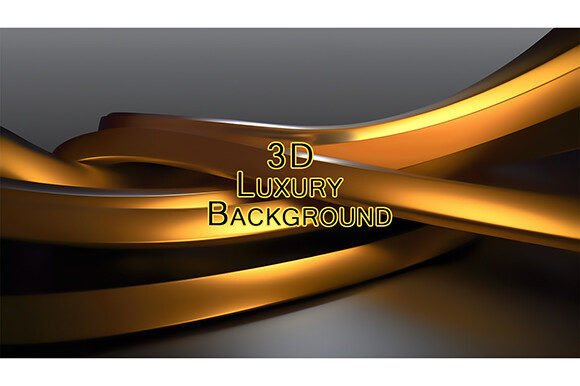
Among the specific assets available to designers and marketers, the Luxury Background with 3D Golden Wave on Gray Background - 3675x2100 px - 300 DPI - JPEG format File is 300dpi high resolution JPG, premium quality stands out as a versatile powerhouse. It is not merely a decorative image; it is a foundational tool for establishing authority and elegance across both digital and print mediums. Understanding how to leverage such high-fidelity assets can transform ordinary presentations into compelling narratives, turning static pages into dynamic showcases of brand prestige.
The Psychology of Depth and Materiality
To understand why a 3D luxury background is effective, one must look at the psychological triggers associated with depth and material realism. For years, the tech industry championed "flat design," stripping away shadows and gradients to create clean, accessible interfaces. While flat design remains relevant for usability, it lacks the emotional weight required for luxury branding. Luxury is inherently tactile. It is about the cool touch of marble, the warmth of brushed gold, or the smoothness of silk. When a background features 3D elements—such as waves of liquid gold rippling over a matte gray surface—it engages the viewer’s mirror neurons, simulating the sensation of touching these materials.
The specific combination of golden waves on a gray background leverages contrast to guide the eye. Gray serves as a neutral, sophisticated canvas that suggests stability and modernity, while the golden wave introduces movement, energy, and opulence. This interplay creates a visual hierarchy that naturally draws attention to the center of the frame, making it an ideal space for logos, product shots, or key messaging. Unlike busy patterns or distracting textures, this aesthetic provides a backdrop that enhances rather than competes with the primary content.
Bridging the Gap Between Digital and Print
One of the most practical advantages of using a high-resolution asset like a 300 DPI JPEG is its seamless adaptability across different media. In the past, designers often had to choose between optimizing for screen (RGB color space, lower resolution) and optimizing for print (CMYK color space, high resolution). Today’s hybrid workflows demand assets that perform exceptionally well in both environments without requiring extensive reworking.
A file specified as 3675x2100 pixels at 300 DPI offers a level of clarity that satisfies the demands of professional printing. Whether used for packaging, business cards, or wall art, the fine details of the 3D rendering remain crisp. There are no pixelated edges or blurred gradients when printed at scale. Simultaneously, this resolution is more than sufficient for high-definition digital displays, including Retina screens and large-format monitors. This dual-purpose nature reduces workflow friction, allowing entrepreneurs and creators to maintain brand consistency from their website header to their physical invitation suite.
Applications in Business and Marketing
The versatility of this background extends far beyond simple decoration. Here is how professionals are integrating 3D luxury backgrounds into their core operations:
- Social Media Branding: On platforms like Instagram and LinkedIn, first impressions are made in milliseconds. A feed filled with consistent, high-end imagery signals professionalism. Using the golden wave background for story highlights, post templates, or profile banners creates a cohesive visual identity that stands out against the chaotic mix of user-generated content.
- Packaging Design: For physical products, especially in cosmetics, jewelry, or gourmet foods, the unboxing experience is part of the product itself. A 3D luxury background can be used to mock up packaging designs or serve as the actual print template for inner boxes and tissue paper, reinforcing the premium nature of the item inside.
- Digital Presentations and Pitch Decks: Investors and clients respond positively to visual polish. Slides featuring subtle 3D textures convey that the presenter has invested time and resources into their craft. It suggests attention to detail, a trait highly valued in high-stakes business negotiations.
- Web and Blog Headers: Website headers set the tone for the entire user journey. A hero section utilizing a luxury background can immediately communicate the brand’s positioning. It tells the visitor that they have entered a space of quality and expertise, reducing bounce rates by increasing engagement.
Evolution of Design Trends: From Static to Immersive
The rise of the 3D luxury background is not an isolated trend but part of a broader shift toward immersive digital experiences. As technology advances, users expect more from their screens. They are accustomed to the fluid animations in video games and the realistic physics simulations in modern software. Consequently, static images feel outdated. The inclusion of 3D elements bridges this gap, bringing a sense of life and dimensionality to two-dimensional surfaces.
Furthermore, the preference for muted, sophisticated palettes like gray paired with metallic accents reflects a maturation in design taste. Early 2000s excess gave way to mid-century modern minimalism, which has now evolved into "neo-luxury"—a style that embraces texture and light while maintaining restraint. The golden wave on gray fits perfectly into this neo-luxury aesthetic. It avoids the garishness of bright colors while still offering visual interest through light reflection and shadow play. This evolution shows that consumers are becoming more discerning; they want beauty that feels earned and authentic, not cheap or overly decorated.
Practical Considerations for Creators and Businesses
While the benefits are clear, effectively utilizing a 3D luxury background requires thoughtful execution. Simply slapping a textured image behind text does not guarantee success. Designers must consider legibility, contrast, and balance. The golden wave should complement the message, not overwhelm it. This often means using ample negative space or overlaying semi-transparent layers to ensure text remains readable.
For freelancers and small business owners, the cost-effectiveness of using pre-made, high-quality stock assets cannot be overstated. Commissioning custom 3D renders can be prohibitively expensive and time-consuming. However, sourcing a premium JPEG file that meets strict technical specifications ensures that even solo entrepreneurs can produce work that rivals agency-level output. The key is to select assets that align with the brand’s specific voice. A tech startup might prefer cooler tones, while a boutique hotel might lean into warmer golds.
Technical Specifications Matter
When selecting a background, technical details are just as important as aesthetic appeal. The mention of 300 DPI is critical for anyone planning to use the image in print. Lower resolution files may look acceptable on a smartphone screen but will appear blurry or jagged when printed on a poster or brochure. Similarly, the aspect ratio of 3675x2100 pixels provides a wide canvas that suits landscape-oriented designs, such as website banners, presentation slides, and horizontal social media posts. By choosing assets with these precise specifications, creators avoid the need for costly upscaling or cropping, preserving the integrity of the original design.
Conclusion: Investing in Visual Quality
In a crowded marketplace, visual distinction is a competitive advantage. The 3D Luxury Background represents more than just a trendy aesthetic; it is a strategic tool for communicating value, trust, and sophistication. Whether used for invitations, packaging, or digital marketing, a high-quality asset like the golden wave on gray background helps brands cut through the clutter. It appeals to the human desire for beauty and order, creating a subconscious association between the brand and premium quality.
As we move forward, the expectation for high-fidelity visuals will only increase. Consumers will continue to judge brands by their visual presentation, both online and offline. By investing in professional-grade design resources, businesses and creators position themselves for long-term success. They demonstrate a commitment to excellence that resonates with audiences. Ultimately, the goal is not just to be seen, but to be remembered. A well-executed luxury background achieves exactly that, leaving a lasting impression that drives engagement and loyalty.