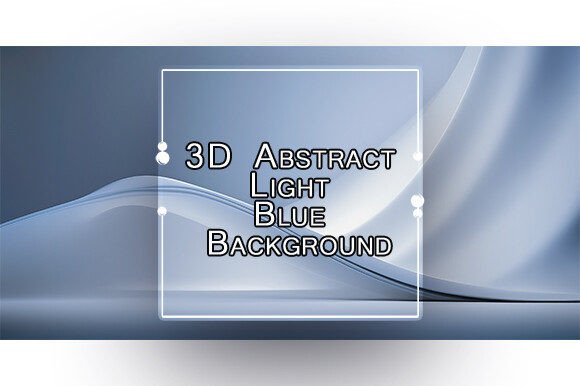
3D Abstract Light Blue Background
In the current digital landscape, visual hierarchy and atmospheric consistency are critical components of effective design. Whether you are developing a brand identity for a startup, designing a user interface for a mobile application, or curating content for a high-traffic blog, the choice of background imagery often dictates the perceived professionalism and clarity of the final output. Among the vast array of available assets, the 3D Abstract Light Blue Background has emerged as a versatile and highly functional resource. This specific type of imagery offers more than just aesthetic appeal; it provides a structural foundation that supports text legibility, guides user attention, and establishes a tone of modernity and trust.
Evaluating this asset requires looking beyond surface-level aesthetics to understand its technical specifications and practical applications. The file in question is a 4141x2100 pixel JPEG with a resolution of 300 DPI. These metrics are not arbitrary; they define the utility of the image across various mediums. A resolution of 300 DPI ensures that the image maintains sharpness and detail when printed at standard sizes, while the aspect ratio and pixel dimensions provide ample space for overlaying content without significant cropping or distortion. For professionals who demand precision in their workflow, understanding these parameters is essential before integrating any visual element into a project.
Technical Specifications and Visual Characteristics
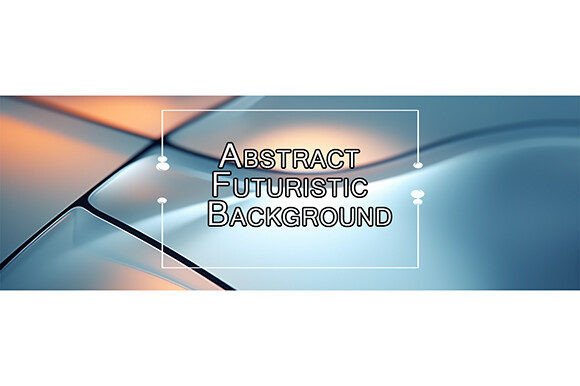
The core strength of the 3D Abstract Light Blue Background lies in its balance between complexity and simplicity. Unlike flat color backgrounds, which can sometimes feel sterile or unfinished, this 3D rendering introduces depth through subtle gradients, soft lighting effects, and abstract geometric forms. The light blue palette is particularly strategic. In color psychology, light blue is associated with calmness, clarity, communication, and reliability. It is a hue that recedes visually, allowing foreground elements—such as typography, logos, and product images—to stand out without competition.
The inclusion of "Light Waves" in certain variations adds a dynamic quality to the composition. These waves suggest movement and fluidity, which can subconsciously convey progress, innovation, and adaptability. However, because the waves are rendered in a soft, abstract manner, they do not create visual noise. Instead, they provide a gentle texture that breaks up large areas of solid color, making the background suitable for long-form reading or detailed presentations where a plain white or gray background might feel too harsh on the eyes.
From a technical standpoint, the JPEG format offers a reliable compromise between file size and quality. While PNG formats preserve transparency and lossless compression, JPEGs are universally supported across all web browsers, design software, and printing platforms. The 300 DPI specification indicates that this file is print-ready. This means that designers working on physical collateral—such as brochures, business cards, or packaging—can use this asset without needing to source separate high-resolution files. This dual-purpose capability (digital and print) is a significant efficiency booster for small teams and solo creators who must manage limited resources.
Practical Applications Across Industries
The versatility of the 3D Abstract Light Blue Background allows it to serve a wide range of professional needs. Its neutral yet sophisticated tone makes it an ideal candidate for corporate and B2B communications. For instance, a financial consultancy firm might use this background for quarterly reports or investor pitch decks. The light blue tones evoke stability and trust, key attributes in the financial sector, while the 3D depth adds a layer of modern sophistication that distinguishes the material from generic templates.
- Web Design and UI/UX: Developers and designers frequently seek backgrounds that enhance readability. The low contrast of the light blue waves ensures that dark text remains legible, reducing eye strain for users. It serves as an excellent hero section backdrop for technology blogs, SaaS landing pages, or educational platforms.
- Social Media Branding: In an era where first impressions happen in milliseconds, consistent visual branding is paramount. Using this background for Instagram story highlights, LinkedIn cover photos, or YouTube thumbnails creates a cohesive look across platforms. The abstract nature of the design avoids dating quickly, ensuring that the content remains relevant over time.
- Print Collateral: As noted, the 300 DPI resolution makes this file suitable for tangible goods. Imagine a set of premium notebooks, postcards, or invitation suites for a tech conference. The tactile experience of high-quality paper combined with the subtle depth of the 3D print elevates the perceived value of the item. It transforms a simple piece of stationery into a branded artifact.
- Packaging Design: For consumer goods, especially those in the wellness, technology, or lifestyle sectors, packaging must communicate quality instantly. A light blue abstract background can serve as the base for product boxes, suggesting cleanliness and innovation. It provides a clean canvas for product photography and logo placement.
Evaluating Usability and Workflow Integration
When integrating the 3D Abstract Light Blue Background into a design workflow, several factors come into play regarding usability and flexibility. One of the primary advantages is its non-distracting nature. Many abstract backgrounds suffer from being too busy, with high-contrast patterns that clash with overlaid text. This particular asset avoids that pitfall by maintaining a soft focus and muted saturation levels. This characteristic is crucial for designers who need to maintain a clear hierarchy of information. It allows the designer to dictate what the viewer sees first, rather than having the background compete for attention.
Furthermore, the aspect ratio of 4141x2100 pixels offers flexibility in cropping. Designers can extract different focal points from the same image depending on the layout requirements. For a wide banner ad, the central wave pattern might be most effective. For a square social media post, a cropped section focusing on the gradient transition might work better. This modularity reduces the need to purchase multiple variations of the same asset, saving both time and budget.
However, it is important to acknowledge potential limitations. Because the image is a raster format (JPEG), it cannot be scaled infinitely without losing quality. While 300 DPI is sufficient for most print jobs, extremely large format prints, such as billboards or building wraps, would require vector-based alternatives or significantly higher resolution files. Additionally, since the background is opaque, it cannot be used directly behind transparent elements like PNG logos without masking or layering techniques in design software. Users must be aware that if they require a transparent background, they would need to use editing tools to remove the base color, which may introduce artifacts if not done carefully.
Long-Term Value and Strategic Fit
Investing in high-quality design assets is an investment in brand equity. The 3D Abstract Light Blue Background represents a prudent choice for professionals who prioritize longevity and adaptability in their visual strategy. Trends in graphic design cycle rapidly, but the combination of 3D depth and cool color palettes has shown staying power. It aligns with contemporary preferences for immersive, spatial design while remaining grounded enough for traditional corporate environments.
For freelancers and agencies, having access to such a robust, multi-use asset simplifies the client acquisition process. It demonstrates an understanding of both aesthetic trends and technical requirements. When presenting concepts to clients, showing how a single background can be adapted for a website header, a business card, and a brochure cover illustrates efficiency and thoughtful design planning. This holistic approach builds trust and positions the designer as a strategic partner rather than just a service provider.
Ultimately, the decision to use this background should be guided by the specific goals of the project. If the aim is to create a sense of openness, clarity, and modern professionalism, this asset delivers on those promises. It is not a flashy, trend-driven novelty, but a reliable workhorse for everyday design challenges. By leveraging its technical strengths—high resolution, appropriate color psychology, and flexible composition—creators can produce materials that are not only visually appealing but also functionally effective. In a crowded digital marketplace, such subtlety and reliability are often the differentiators that lead to sustained success.