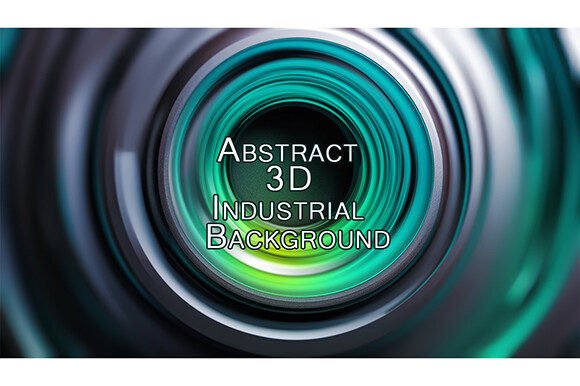
The Power of Abstract 3D Industrial Background in Modern Design
In the rapidly evolving landscape of digital and physical design, the demand for visuals that convey strength, precision, and modernity has never been higher. One asset that has become increasingly prevalent in professional portfolios, corporate branding, and creative projects is the Abstract 3D Industrial Background. This specific visual style merges the raw aesthetic of industrial machinery with the clean, geometric precision of abstract art. By leveraging high-resolution imagery, such as the premium quality file available in 3675x2100 pixels at 300 DPI in JPEG format, designers can create impactful compositions that resonate with both general consumers and industry professionals.
Understanding how to effectively utilize an Abstract 3D Industrial Background goes beyond simply placing an image on a canvas. It requires an appreciation for texture, depth, and the psychological impact of metallic and structural forms. Whether you are a business owner looking to refresh your brand identity or a creator seeking unique assets for social media, this guide explores the versatility, applications, and strategic value of these sophisticated visual elements.
Defining the Aesthetic: What Makes It Unique?
To truly appreciate the utility of an Abstract 3D Industrial Background, one must first understand its core characteristics. Unlike traditional flat graphics or realistic photographs of factories, this style focuses on the *essence* of industry. It strips away the clutter of real-world environments to highlight form, light, and material.
Key features typically include:
- Geometric Precision: Clean lines, sharp angles, and structured patterns that suggest engineering and order.
- Metallic Textures: The use of brushed steel, chrome, copper, or matte black finishes to evoke durability and high quality.
- Depth and Dimension: Utilizing shadows, highlights, and perspective to create a three-dimensional feel even on two-dimensional screens.
- Neutral yet Bold Color Palettes: Often relying on greys, silvers, blacks, and deep blues, though some variations introduce accent colors like electric blue or safety orange for contrast.
When combined with specific elements like the Abstract 3D Industrial Background with Concentric Metal Shape, the design gains a focal point that draws the eye inward. This concentric structure mimics lenses, gears, or sound waves, creating a sense of motion and focus without being distracting. The high resolution of 3675x2100 pixels ensures that these intricate details remain crisp, whether viewed on a mobile device or printed on a large-scale poster.
Why Resolution and Format Matter
A critical aspect of selecting any background asset is its technical specifications. The availability of this image in a 300 DPI high-resolution JPG is not just a technical detail; it is a fundamental requirement for professional output. DPI (Dots Per Inch) determines how much detail is packed into every inch of the image when printed. For web use, 72 DPI is standard, but for print materials, 300 DPI is the gold standard.
By choosing a file that is already 300 DPI, creators save time and ensure quality across multiple mediums. The JPEG format offers a balance between file size and image quality, making it easy to share and upload while maintaining visual integrity. The dimensions of 3675x2100 pixels provide a wide aspect ratio (approximately 16:9), which is ideal for desktop wallpapers, website headers, and presentation slides. However, because the image is high resolution, it can also be cropped significantly without losing clarity, allowing for versatile use in square formats for Instagram posts or vertical layouts for Pinterest pins.
Practical Applications Across Industries
The versatility of an Abstract 3D Industrial Background allows it to serve a wide array of purposes. Below are several scenarios where this asset adds significant value.
Corporate Branding and Identity
For technology firms, engineering consultancies, and manufacturing companies, trust and innovation are key brand pillars. An industrial-themed background subtly communicates these values. Using this background on business cards or corporate letterheads creates a memorable tactile experience. The metallic textures suggest reliability, while the abstract nature implies forward-thinking creativity. It helps a brand stand out in a stack of plain white cards by offering a subtle hint of sophistication.
Digital Marketing and Social Media
In the crowded space of social media, static images often get lost in the feed. A dynamic 3D background can halt the scroll. When used as a base for promotional graphics, quotes, or product announcements, the Abstract 3D Industrial Background provides a strong foundation that makes text pop. For example, a tech startup launching a new software tool might use the concentric metal shapes to frame their logo, creating a sense of depth and focus. The high resolution ensures that even when users zoom in on their phones, the image remains sharp and professional.
Print Collateral and Packaging
Physical products benefit immensely from high-quality backgrounds. Imagine a box for a premium electronic gadget, a notebook for engineers, or a postcard for a trade show invitation. The 300 DPI JPEG format is ready for direct printing. On packaging, the industrial aesthetic can convey robustness and protection. On wall art, it transforms a space into a modern, minimalist office environment. The neutral tones make it easy to pair with various color schemes, allowing designers to maintain brand consistency while adding visual interest.
Websites and Blogs
Website headers and blog feature images set the tone for user experience. A generic stock photo can feel impersonal, but a custom-designed abstract background feels curated. Using this background for a hero section on a website about construction, logistics, or cybersecurity instantly establishes context. It signals to the visitor that the content within is structured, reliable, and technically proficient. Furthermore, the wide aspect ratio fits perfectly across most desktop viewports, providing a seamless visual entry point to the site.
Evaluating Suitability for Your Project
While the Abstract 3D Industrial Background is highly versatile, it is not a one-size-fits-all solution. Before incorporating it into your project, consider the following factors to ensure it aligns with your goals.
- Tone and Mood: Does your project require a serious, professional, or high-tech tone? If your brand is playful, colorful, or organic, this industrial aesthetic might clash. It works best when paired with clean, sans-serif typography and minimalistic layouts.
- Text Overlays: Because the background contains complex textures and gradients, readability is paramount. Ensure there is enough contrast between your text and the background. Using semi-transparent overlays or drop shadows can help separate text from the metallic surfaces.
- Cropping Needs: Remember that the 3675x2100 pixel dimension is wide. If you need a square or vertical image, plan your cropping strategy early. The concentric shapes are particularly useful here, as they allow you to center the focal point regardless of the final aspect ratio.
- Industry Relevance: While "industrial" sounds niche, its abstract nature makes it applicable to finance (stability), healthcare (precision), and education (structure). Think about the underlying metaphor rather than just the literal imagery.
Maximizing Creative Potential
To get the most out of this asset, treat it as a starting point rather than a finished product. Designers often enhance these backgrounds by adding subtle lighting effects, adjusting the hue/saturation to match brand colors, or layering additional geometric elements. For instance, overlaying a faint grid pattern can reinforce the technical theme, while adding a gradient fade can help blend the background with other UI elements.
Consider the concept of negative space. In many industrial designs, the empty areas are just as important as the detailed ones. Use the smoother sections of the background for placing logos or call-to-action buttons. This prevents visual clutter and guides the viewer’s eye naturally through the composition.
Conclusion
The Abstract 3D Industrial Background represents more than just a pretty picture; it is a strategic design tool that communicates professionalism, precision, and modernity. With its high resolution, versatile format, and compelling aesthetic, it offers immense value for a wide range of applications—from digital branding to physical print materials. By understanding its characteristics and applying it thoughtfully, creators and businesses can elevate their visual communication, ensuring that their message is not only seen but felt. Whether you are designing a sleek website, a sturdy product package, or a striking poster, this background provides the structural integrity and visual appeal needed to succeed in today’s competitive landscape.
As you explore your next creative project, remember that the right background can transform a good design into a great one. Embrace the depth and texture of abstract industrial art, and let it serve as the foundation for your most impactful work.