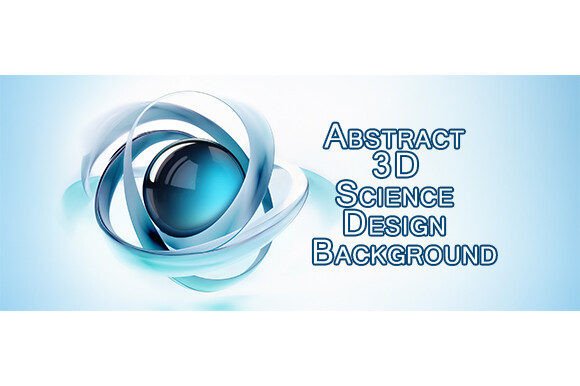
Abstract 3D Science Design Background
In the landscape of digital design, visual hierarchy and thematic consistency are paramount. For professionals working in scientific, technological, or educational sectors, finding a background asset that conveys complexity without overwhelming the primary content is a constant challenge. This is where Abstract 3D Science Design Background assets become particularly valuable. Specifically, high-resolution variants such as the 5148x2100 px JPEG file offer a robust foundation for various creative applications.
The intersection of abstract art and scientific visualization allows designers to communicate concepts like molecular structure, atomic theory, and digital connectivity without resorting to clichéd stock imagery. A premium quality 3D render provides depth, lighting realism, and texture that flat vector graphics often lack. When evaluating resources like the specific 300 DPI JPEG mentioned, it is essential to look beyond the aesthetic appeal and consider technical specifications, versatility, and long-term usability in professional workflows.
Technical Specifications and Image Quality
Before assessing the artistic merit of any background, the technical integrity must be established. The specification of 5148x2100 pixels at 300 DPI indicates a file designed for both high-impact digital display and print-ready applications. This resolution is significantly higher than standard web backgrounds, which typically range from 1920x1080 to 2560x1440 pixels. This extra pixel density provides considerable flexibility for cropping, zooming, and repositioning elements within the design process.
- Resolution Analysis: At 5148x2100 pixels, the aspect ratio is approximately 2.45:1, offering a wide canvas that suits panoramic layouts, hero sections on websites, and large-format posters. The high pixel count ensures that individual details, such as the stylized atoms or geometric nodes, remain crisp even when scaled down or used in collage-style compositions.
- Print Readiness: The 300 DPI (dots per inch) standard is the industry benchmark for high-quality printing. This means the same file can serve dual purposes: serving as a sharp background on screens and as a viable base for printed materials like business cards, brochures, or wall art without visible pixelation or blurring.
- File Format Stability: As a JPEG, the file balances compression efficiency with image fidelity. While PNG or TIFF formats preserve more data, JPEG remains the universal standard for web compatibility and ease of use in most graphic design software. For a background layer that does not require transparency, JPEG is a practical choice that keeps file sizes manageable while maintaining visual quality.
Visual Characteristics and Aesthetic Value
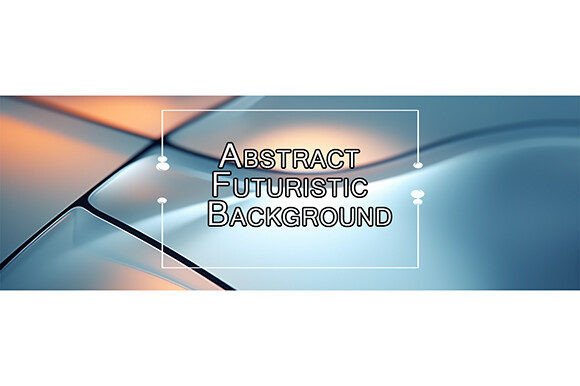
The term "Abstract 3D Science Design" suggests a departure from literal medical illustrations or rigid blueprint aesthetics. Instead, it leans into organic shapes, fluid dynamics, and metaphorical representations of scientific principles. The inclusion of a "Stylized Atom" element serves as a focal point or recurring motif, grounding the abstract composition in recognizable scientific iconography.
This approach offers several advantages for branding and communication:
- Modern Appeal: 3D renders with soft gradients, metallic accents, and glowing nodes align with contemporary design trends seen in tech startups, biotech firms, and AI companies. It signals innovation and forward-thinking without being overly aggressive.
- Depth and Dimension: Unlike flat patterns, 3D backgrounds create a sense of space. This depth allows foreground elements—such as text, logos, or product images—to pop out, enhancing readability and visual interest. The interplay of light and shadow in the 3D render adds a layer of sophistication that elevates the perceived value of the final design.
- Neutrality with Character: Abstract science backgrounds often utilize cool tones like blues, purples, and teals, which are psychologically associated with trust, intelligence, and calm. These colors provide a neutral enough backdrop for text overlay while still possessing enough character to stand alone as artwork.
Practical Applications and Use Cases
The versatility of this asset makes it suitable for a wide array of professional and personal projects. Understanding where it fits best helps designers maximize its utility.
Digital Media and Web Design
For bloggers, publishers, and digital marketers, this background is ideal for website headers, blog post featured images, and social media banners. The wide aspect ratio works exceptionally well for hero images on landing pages. Because the file is high-resolution, it will look sharp on Retina displays and modern mobile devices. Designers can overlay semi-transparent text boxes or use CSS masks to integrate the background seamlessly with site navigation elements.
Print Collateral
The 300 DPI resolution opens up possibilities for tangible marketing materials. Small business owners and entrepreneurs can use this asset for:
- Packaging: Creating a premium feel for product boxes related to health supplements, tech gadgets, or educational kits.
- Stationery: High-end business cards, letterheads, and invitation cards benefit from the subtle textures and depth of 3D designs.
- Postcards and Flyers: Direct mail campaigns can leverage the eye-catching nature of abstract science visuals to stand out in physical mailboxes.
Educational and Corporate Presentations
Educators and corporate trainers often struggle to find backgrounds that are engaging but not distracting. This abstract design strikes that balance. It can be used as slide backgrounds in PowerPoint or Keynote presentations for lectures on physics, chemistry, biology, or data science. The stylized atom motif reinforces the subject matter subtly, aiding in cognitive association for the audience.
Merchandising and Wall Art
For creators and hobbyists interested in print-on-demand services, this image has strong potential. It translates well to notebooks, journals, and wall art prints. The abstract nature ensures it appeals to a broad audience, from students to professionals, making it a safe yet stylish choice for merchandise lines.
Evaluating Usability and Workflow Integration
When integrating Abstract 3D Science Design Background into a workflow, several factors come into play regarding usability and consistency.
Flexibility in Composition
One of the strongest attributes of a 5148x2100 px image is its compositional flexibility. Designers are not locked into using the entire width. They can crop the image to focus on specific elements, such as a cluster of atoms or a particular gradient shift. This allows for the creation of multiple distinct looks from a single source file. For example, one version might emphasize the left side for a left-aligned logo, while another crops the center for a symmetrical layout.
Color Adaptability
While the original JPEG has a fixed color palette, the neutral and cool tones typical of science-themed 3D renders make them easy to adjust in post-production. Using tools like Photoshop or GIMP, designers can tweak hue, saturation, and brightness to match brand guidelines. If a company’s brand color is green rather than blue, a simple adjustment can repurpose the background effectively. However, it is important to note that drastic color shifts may affect the contrast and legibility of any overlaid text, so testing is recommended.
Consistency Across Platforms
For brands requiring a cohesive look across multiple touchpoints, having a high-res master file ensures consistency. Whether the background appears on a tiny Instagram story or a large outdoor banner, starting from the same 300 DPI source prevents quality degradation. This reliability is crucial for maintaining professional standards in multi-channel marketing campaigns.
Limitations and Considerations
No asset is perfect, and understanding the limitations is key to effective usage.
Lack of Editability: As a JPEG, the 3D elements are flattened. Designers cannot easily isolate the atoms or change their position independently. If a project requires moving a specific element, the designer would need to use masking techniques or recreate the element in a vector format, which adds time to the workflow.
Text Overlay Challenges: While visually striking, complex 3D backgrounds can sometimes compete with text. It is essential to ensure sufficient contrast between the text and the background. Using drop shadows, text boxes with opacity, or strategic placement over darker/lighter areas of the image is necessary to maintain readability.
File Size Management: Although JPEGs are compressed, a 5148x2100 px file can still be large. For web use, it is advisable to export a smaller, optimized version for faster loading times, while keeping the high-res original for print. Failing to optimize web versions can negatively impact page load speeds and SEO performance.
Conclusion
The Abstract 3D Science Design Background represents a versatile and high-quality resource for designers, marketers, and educators. Its combination of high resolution, print-ready quality, and modern aesthetic makes it a valuable addition to any creative toolkit. By understanding its technical strengths and practical applications, users can leverage this asset to enhance their projects, whether they are building a website, designing packaging, or creating educational materials. It offers a sophisticated way to communicate scientific and technological themes, bridging the gap between abstract art and functional design.