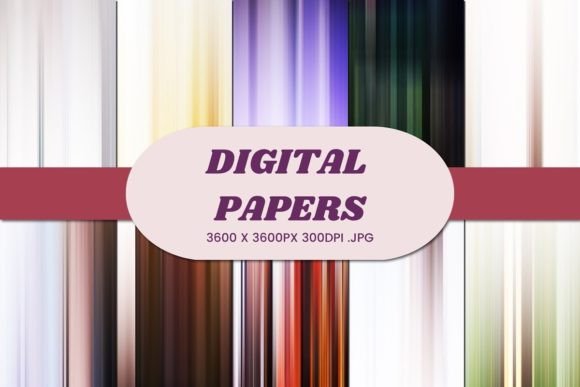
Unlocking Creativity: The Power of High-Resolution Digital Background Papers for Modern Design
In the rapidly evolving landscape of digital design and small business entrepreneurship, having access to high-quality visual assets is no longer just a luxury—it is a necessity. Whether you are a seasoned graphic designer crafting a brand identity or a hobbyist looking to create personalized gifts, the foundation of any compelling visual project often lies in its background. This is where Digital Papers come into play. Specifically, abstract designs offer a versatile canvas that can elevate everything from social media graphics to physical product packaging.
The market for printable digital designs has exploded in recent years, driven by the rise of print-on-demand services, home crafting, and remote work aesthetics. Among these resources, abstract digital papers stand out as an indispensable tool. They provide texture, depth, and visual interest without overwhelming the main subject of your design. In this guide, we will explore what abstract digital papers are, why they are crucial for modern projects, and how you can leverage them to enhance your creative output.
What Are Abstract Digital Papers?
At their core, digital papers are high-resolution image files designed to be used as backgrounds or textures in various design applications. Unlike traditional paper that must be printed and cut, digital papers exist entirely in the virtual realm until you choose to utilize them. They are typically sold as downloadable files, allowing designers to use them repeatedly across multiple projects.
Abstract refers to the non-representational nature of the art. Instead of depicting a specific object like a flower or a building, abstract designs focus on shapes, colors, lines, and patterns. This makes them incredibly flexible. Because they do not have a focal point that competes with text or logos, they serve as perfect backdrops for a wide array of uses. From subtle watercolor washes to bold geometric patterns, abstract digital papers add a layer of professionalism and artistic flair to any composition.
The Versatility of Printable Designs
One of the most significant advantages of using abstract digital papers is their adaptability. A single set of designs can be repurposed across dozens of different mediums. This versatility is particularly valuable for small business owners and creators who need to maintain a consistent aesthetic across various platforms without spending hours creating new assets from scratch.
Physical Products and Merchandise
If you run an online store selling custom goods, abstract backgrounds are your best friend. They can be seamlessly integrated into:
- T-shirts and Apparel: Use textured abstract backgrounds to give t-shirt designs a vintage or grunge look, or use smooth gradients for a modern, minimalist aesthetic.
- Mugs and Drinkware: When designing for tumblers or mugs, wrap-around designs benefit greatly from continuous abstract patterns that flow around the curve of the object.
- Pillows and Blankets: Soft, organic abstract shapes work beautifully on home decor items, adding warmth and visual comfort to living spaces.
- Stickers and Decals: Abstract borders or full-bleed backgrounds can make stickers pop, ensuring they catch the eye even at small sizes.
Digital Assets and Social Media
In the digital sphere, attention spans are short. You need visuals that grab attention immediately. Abstract digital papers are ideal for:
- Social Media Posts: Create cohesive Instagram grids or Facebook covers by using a series of complementary abstract backgrounds.
- Blog Headers and Website Banners: Add depth to your website’s landing pages without distracting from your content.
- E-books and Printables: If you sell digital planners, journals, or guides, abstract backgrounds can make the interior pages visually appealing and easy to read.
Event Stationery and Packaging
For special occasions and retail businesses, presentation matters. Abstract designs lend themselves well to:
- Wedding Invitations: Elegant, flowing abstract lines can mimic calligraphy or watercolor effects, providing a sophisticated touch to wedding suites.
- Business Cards: A subtle abstract texture on the back of a business card can leave a memorable impression.
- Product Packaging: Enhance the unboxing experience by using abstract patterns that align with your brand’s color palette.
Technical Specifications: Why Resolution Matters
Not all digital files are created equal. When purchasing or downloading digital papers, it is crucial to understand the technical specifications to ensure your final product looks sharp and professional. The standard for high-quality printing and detailed digital display involves two key metrics: resolution and file size.
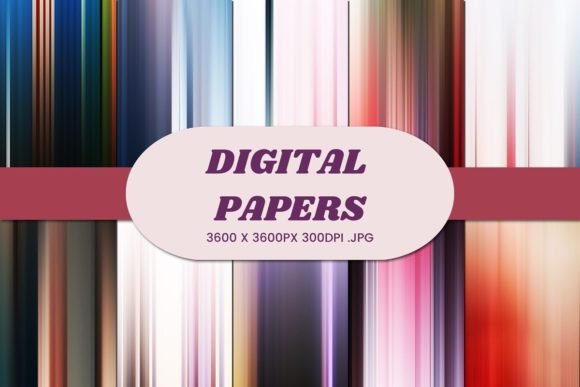
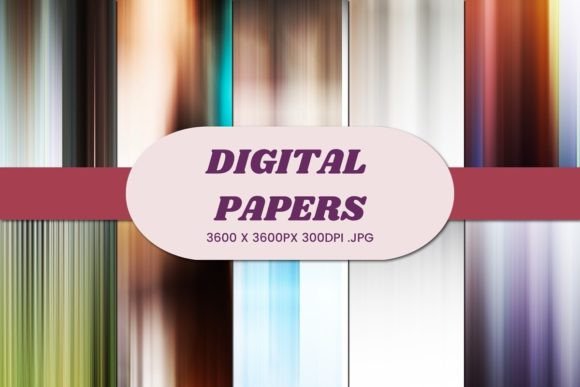
A common standard for professional-grade digital papers is a resolution of 300 DPI (Dots Per Inch). DPI refers to the number of ink dots placed in one inch of space when printed. A higher DPI means more detail and smoother edges, which is essential for avoiding pixelation when your design is printed on physical products like t-shirts or posters.
Furthermore, the dimensions of the file matter. A square format, such as 3600x3600 pixels, offers excellent flexibility. It allows you to crop the image to fit various aspect ratios without losing quality. For instance, you can use the center portion for a square social media post, stretch it horizontally for a banner, or zoom in for a close-up texture effect. This scalability ensures that one purchase can serve multiple purposes, maximizing the value of your investment.
The Importance of File Formats
Most high-quality digital papers are provided in JPG (JPEG) format. JPGs are widely compatible with almost all design software, including Adobe Photoshop, Canva, Illustrator, and free alternatives like GIMP. While PNG formats preserve transparency, JPGs are preferred for solid backgrounds due to their smaller file size and universal support. Ensure that the files you download are uncompressed or lightly compressed to maintain the integrity of the 300 DPI resolution.
How to Use Abstract Backgrounds Effectively
Having the right asset is only half the battle; knowing how to use it is the other half. Here are some tips to help you get the most out of your abstract digital papers:
- Balance Contrast: If your abstract background is busy or colorful, keep your text or logo simple and high-contrast. White or black text often works best against vibrant abstract patterns.
- Layering Techniques: Don’t be afraid to layer elements. Place a semi-transparent shape over the abstract background before adding text to improve readability while maintaining the artistic vibe.
- Color Harmony: Choose abstract papers that complement your brand colors. Using analogous colors (colors next to each other on the color wheel) creates a harmonious look, while complementary colors (opposite each other) create dynamic contrast.
- Experiment with Scale: Zooming in on a small section of a large abstract pattern can reveal hidden details and textures that aren't visible in the full view. This technique is great for creating unique phone case designs or fabric prints.
Common Misconceptions About Digital Paper Usage
There are several myths surrounding the use of digital assets that can hinder creativity. One common misconception is that using digital papers limits your originality. In reality, these assets are tools meant to inspire and accelerate your workflow. By combining abstract backgrounds with your own typography, illustrations, and branding elements, you create something entirely unique.
Another misunderstanding is related to copyright. Always read the license agreement associated with the digital papers. Some licenses allow for personal use only, while others permit commercial use, meaning you can sell products made with the designs. Understanding these terms protects you from legal issues and ensures ethical use of creative work.
Conclusion
Abstract digital papers are more than just pretty pictures; they are powerful tools that bridge the gap between concept and creation. Whether you are designing a 3D sublimation tumbler wrap, crafting a heartfelt wedding invitation, or building a robust social media presence, the right background sets the tone for your entire project. With high-resolution files offering 300 DPI clarity and scalable dimensions, you have the freedom to experiment and innovate without technical limitations.
By incorporating these versatile assets into your workflow, you not only save time but also elevate the perceived value of your work. So, the next time you sit down to start a new project, consider starting with an abstract background. Let the textures and patterns guide your creativity, and watch as your ideas transform into tangible, beautiful realities.