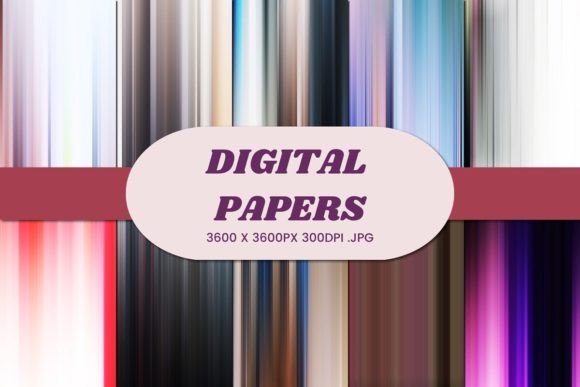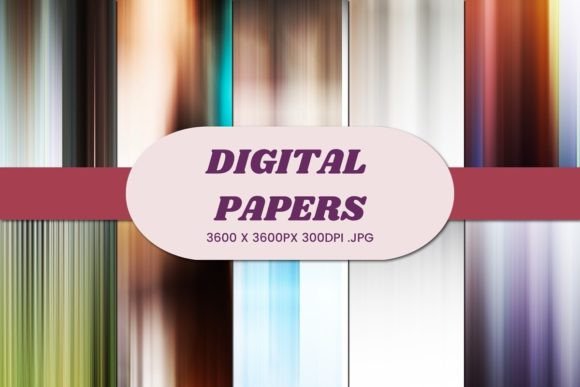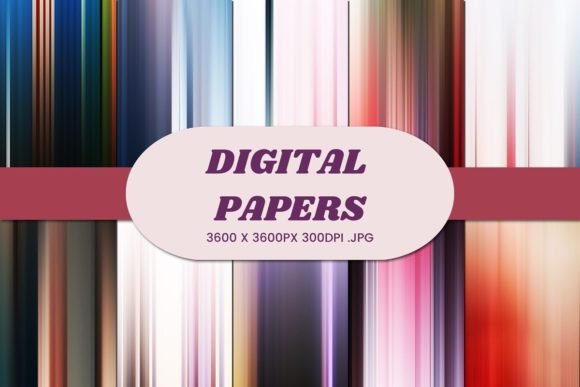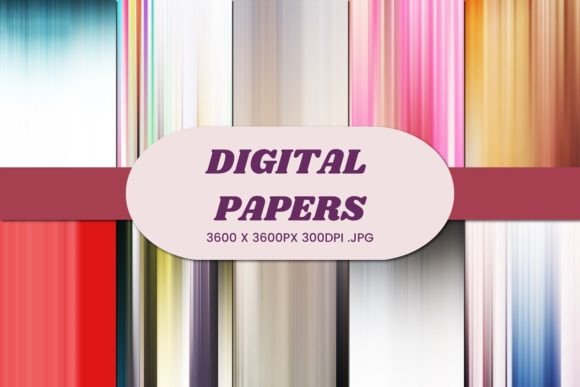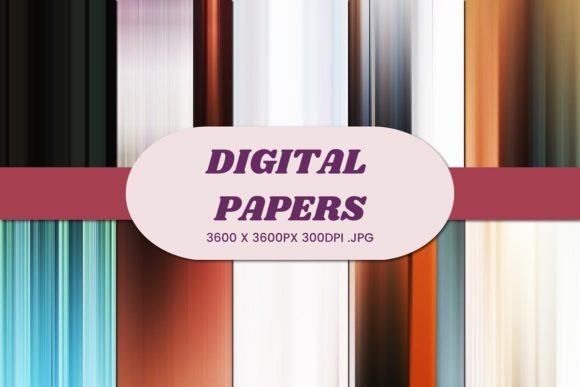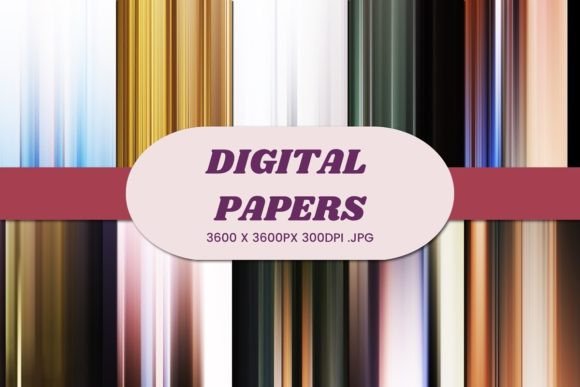
Abstract 217 Background Digital Papers: A Versatile Asset for Modern Creative Workflows
In the rapidly evolving landscape of digital design and print-on-demand businesses, having access to high-quality, versatile assets is no longer just a luxury—it is a necessity. Among the growing library of resources available to creators, Abstract 217 Background Digital Papers stands out as a practical solution for professionals seeking efficiency without compromising on aesthetic quality. This collection represents more than just a set of images; it is a foundational toolkit designed to streamline workflows for entrepreneurs, hobbyists, and corporate designers alike.
The core value of Abstract 217 lies in its adaptability. Designed as a printable design that helps your business scale, this asset pack addresses the common pain point of finding backgrounds that are both visually striking and technically robust enough for various applications. Whether you are crafting a brand identity, designing merchandise, or creating digital content, the flexibility of these papers allows for seamless integration into diverse projects.
The Evolution of Digital Backgrounds in Business Design
Historically, background textures were often secondary elements, treated as mere fillers to make foreground content pop. However, modern consumer expectations have shifted. Today, audiences associate visual coherence and high-resolution detail with trustworthiness and professionalism. In an era where first impressions are made digitally, the quality of your background can significantly influence perceived brand value.
This shift has driven a demand for "hybrid" assets—designs that work equally well in low-stakes personal crafts and high-stakes commercial ventures. Abstract 217 Background Digital Papers fits squarely into this trend. It acknowledges that the line between personal creativity and professional branding is blurring. A freelancer might use the same abstract texture for a client’s website header, their own social media profile, and a printed portfolio. The ability to repurpose a single high-quality asset across multiple touchpoints reduces costs and ensures brand consistency.
Furthermore, the rise of remote work and digital nomadism has changed how people consume and create content. There is a greater emphasis on aesthetics that feel organic yet structured. Abstract designs, which avoid the literal constraints of photography while offering visual interest, provide a sophisticated backdrop that does not distract from primary content. This makes them particularly valuable for educators creating course materials, bloggers designing infographics, and marketers preparing ad creatives.
Technical Specifications and Practical Utility
One of the most critical aspects of any digital asset is its technical readiness. Many free or low-cost online resources offer images that are either too small for printing or lack the color depth required for professional output. Abstract 217 Background Digital Papers addresses these concerns head-on with specifications tailored for serious production needs.
- High Resolution: Each file is provided at a size of 3600x3600 px. This square format is ideal for social media platforms like Instagram and Pinterest, but more importantly, it provides ample pixel density for large-format prints.
- Print-Ready Quality: At 300 DPI (dots per inch), these files meet the industry standard for high-quality printing. This ensures that when you scale the image up for a banner or down for a business card, the edges remain crisp and the colors do not pixelate.
- Format Accessibility: The inclusion of 10 JPG files offers variety without overwhelming the user. JPG remains the most universally compatible format for graphic design software, web browsers, and print shop uploads, reducing technical friction during the production phase.
For users unfamiliar with DPI, it is worth noting that screen resolution (typically 72 DPI) is vastly different from print resolution. By providing 300 DPI files, Abstract 217 eliminates the need for complex upscaling algorithms that often degrade image quality. This saves time and prevents costly reprinting errors, a significant benefit for small business owners operating on tight margins.
Expanding Applications: From Merchandise to Branding
The versatility of Abstract 217 Background Digital Papers is best understood through its application. Because the designs are abstract, they serve as neutral yet engaging canvases that allow other elements—such as logos, text, or product photos—to take center stage. Here is how this specific asset pack can be utilized across various industries:
Merchandise and Print-on-Demand
The print-on-demand (POD) market continues to grow, allowing individuals to sell custom products without holding inventory. Abstract 217 is particularly useful here because abstract patterns tend to have broad appeal compared to niche photographic themes. Creators can apply these backgrounds to:
- T-shirts and Apparel: Using the background as a base layer for typography-based designs or all-over prints.
- Mugs and Drinkware: The 3600px width allows for wrapping around cylindrical objects without distortion, perfect for 3d mug wrap designs.
- Pillows and Blankets: Large textile prints require high resolution to maintain pattern integrity. These files support sublimation processes, ensuring vibrant color transfer onto fabric.
- Stickers and Decals: Small-scale prints benefit from the clean lines and high contrast often found in abstract digital papers.
Digital Products and Social Media
For digital creators, speed and consistency are key. Abstract 217 serves as an excellent template source for:
- Social Media Graphics: Use the backgrounds for quote posts, announcement cards, or promotional banners. The square aspect ratio aligns perfectly with Instagram posts and Facebook cover images.
- Phone Cases: With the increasing popularity of personalized tech accessories, these high-res files are ideal for designing protective cases that double as fashion statements.
- E-books and Presentations: Educators and consultants can use these textures for slide decks or eBook covers, adding a layer of polish that plain white or solid-color backgrounds lack.
Event and Stationery Design
Even in the physical realm, abstract textures add sophistication. For event planners and stationery designers, these papers can be used for:
- Wedding Cards and Invitations: Abstract art adds a modern, artistic flair to wedding stationery, moving away from traditional floral or lace motifs.
- Business Cards: A subtle abstract texture can give a business card a tactile feel and visual depth, making it more likely to be kept rather than discarded.
- Product Packaging: For small batch producers, using a consistent abstract background across packaging creates a recognizable brand silhouette on shelves or in unboxing videos.
Strategic Advantages for Entrepreneurs and Freelancers
Why should a business owner choose a pre-made digital paper pack over commissioning custom artwork? The answer lies in resource allocation. Time is often the most scarce resource for solopreneurs and small teams. Commissioning custom illustrations for every background need is cost-prohibitive and slow. Abstract 217 Background Digital Papers offers a middle ground: professional-grade aesthetics at a fraction of the cost and time.
Moreover, these assets support agile marketing strategies. If a new product launch requires immediate visual material, having a library of ready-to-use, high-resolution backgrounds allows marketers to pivot quickly. They can test different visual styles by simply swapping out the background layer while keeping the core message intact. This A/B testing capability is crucial for optimizing conversion rates in e-commerce.
For freelancers, incorporating such assets into their service offerings can enhance their value proposition. A graphic designer who can offer "brand kits" that include cohesive background textures, letterheads, and social media templates provides a more complete solution than one who only delivers isolated graphics. Abstract 217 enables designers to build these comprehensive packages efficiently.
Integrating Abstract Assets into Modern Workflows
To get the most out of Abstract 217 Background Digital Papers, it is helpful to integrate them into a systematic workflow. Start by organizing the 10 JPG files into a dedicated project folder. When beginning a new project, whether it is a t-shirt design or a blog post, select a background that complements the primary color palette. Remember that abstract backgrounds work best when they do not compete with the main subject.
Consider the context of the end-user. If the background will be viewed on a mobile device, ensure that the contrast is sufficient for readability if text is overlaid. If it is intended for print, perform a test print on a small section to verify color accuracy, especially if working with CMYK printers versus RGB screens. The 300 DPI specification ensures fidelity, but color management remains the responsibility of the creator.
Additionally, think about scalability. Because the files are 3600x3600 pixels, you can crop them to create unique variations. A full-width banner can be derived from a cropped section of one of the 10 files, effectively doubling your asset library without needing new downloads. This technique is particularly useful for creating cohesive visual campaigns across different mediums, such as matching a website header with a printed brochure.
Conclusion
Abstract 217 Background Digital Papers exemplifies the shift towards efficient, high-quality digital resources that empower creators across various disciplines. By combining technical precision (300 DPI, 3600x3600 px) with artistic versatility, this pack supports a wide range of applications—from tangible products like mugs and pillows to digital assets like social media posts and website headers. For businesses looking to maintain a professional appearance while managing costs and time, integrating such robust design assets is a smart, forward-looking strategy. As the demand for personalized and visually compelling content continues to rise, having access to reliable, high-resolution tools like Abstract 217 becomes an essential component of a successful creative workflow.