Abstract 209 Background Digital Papers: A Versatile Asset for Creative Projects
In the rapidly evolving landscape of digital design and print-on-demand services, having access to high-quality, versatile background assets is essential. Whether you are a seasoned graphic designer, a small business owner launching a new product line, or a hobbyist looking to add a personal touch to handmade crafts, the right texture can elevate a project from ordinary to exceptional. Among the many resources available, Abstract 209 Background Digital Papers has emerged as a practical and visually appealing option for creators seeking depth and sophistication in their work.
This article explores the features, applications, and benefits of Abstract 209, providing a comprehensive guide for those considering integrating this asset into their workflow. By understanding its technical specifications and creative potential, users can make informed decisions about how best to utilize these designs across various mediums.
Understanding Abstract 209 Background Digital Papers
At its core, Abstract 209 is a collection of digital paper designs intended to serve as backgrounds or textures for a wide array of creative projects. The term "abstract" refers to the non-representational nature of the visuals, which often feature fluid shapes, gradients, and geometric patterns that do not depict specific real-world objects. This abstraction allows the designs to complement rather than compete with foreground elements, making them ideal for layering over text, logos, or photographs.
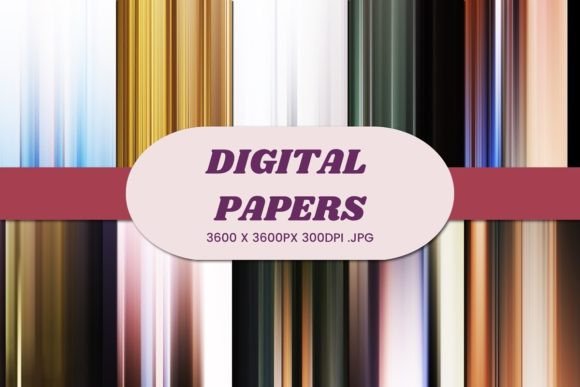
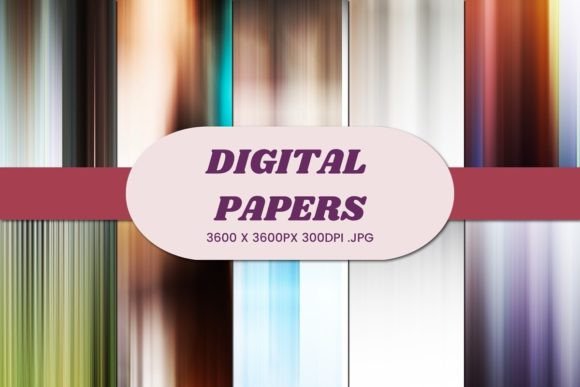
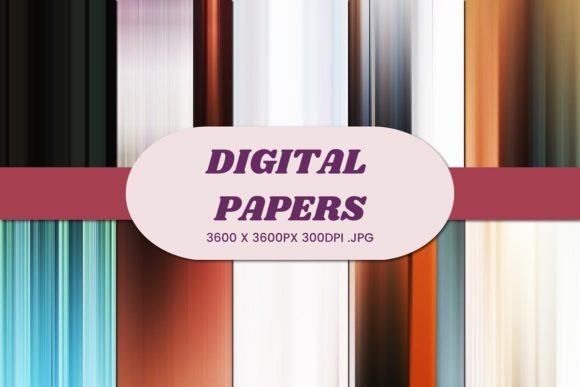
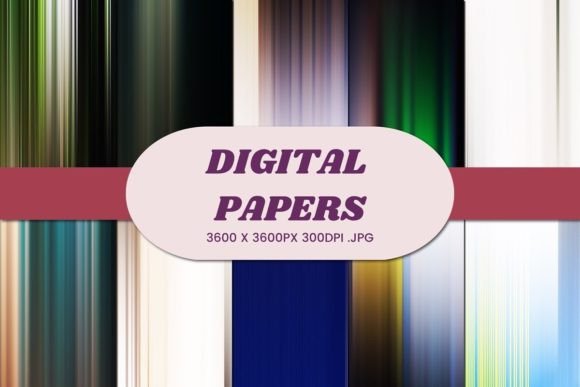
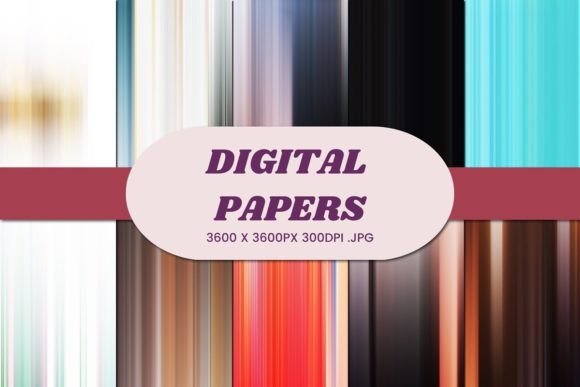
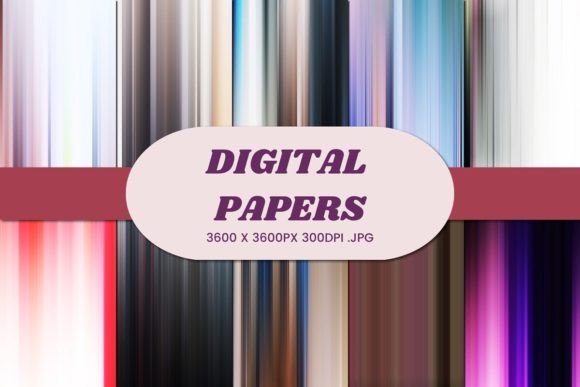
The collection includes 10 distinct JPG files, each offering a unique visual interpretation within the abstract theme. These files are designed with precision, ensuring that they meet the rigorous standards required for both digital display and physical printing. The inclusion of multiple variations within a single package provides designers with flexibility, allowing them to choose the tone and mood that best fits their specific project needs.
Technical Specifications and Quality
One of the most critical aspects of any digital asset is its resolution and file format. For professionals working in print media, low-resolution images can result in pixelation, blurriness, or poor color reproduction. Abstract 209 addresses this concern by providing files with a size of 3600x3600 pixels at 300 DPI (Dots Per Inch).
To put this into perspective, a 300 DPI resolution is considered the industry standard for high-quality printing. At this density, the human eye cannot distinguish individual dots, resulting in smooth, crisp edges and vibrant colors. The square aspect ratio of 3600x3600 pixels offers versatility, as it can be easily cropped or scaled down for various formats without significant loss of quality. This makes Abstract 209 suitable for everything from social media avatars to large-format banners.
- File Format: JPG (JPEG), ensuring broad compatibility with almost all design software and web platforms.
- Resolution: 300 DPI, guaranteeing professional-grade print output.
- Dimensions: 3600x3600 pixels, providing ample space for cropping and resizing.
- Quantity: 10 unique designs, offering variety within a cohesive style.
Practical Applications Across Industries
The beauty of Abstract 209 lies in its adaptability. Because the designs are abstract and neutral yet visually engaging, they can be applied to nearly any creative endeavor. Below are some of the most common and effective ways creators are using these digital papers.
Product Design and Print-on-Demand
For entrepreneurs in the print-on-demand (POD) space, background textures are invaluable. They serve as the foundation for products such as t-shirts, stickers, mugs, pillows, blankets, and phone cases. When used correctly, an abstract background can add depth to a logo or text-based design, preventing the final product from looking flat or generic.
For example, a minimalist logo placed on top of one of the Abstract 209 textures can create a sophisticated brand identity. The texture adds interest without overwhelming the central message. Similarly, for sublimation printing, where designs are transferred onto fabrics or hard surfaces, high-resolution backgrounds ensure that the colors remain vivid even after the heat transfer process.
Digital Marketing and Social Media
In the digital realm, first impressions matter. Social media posts, website headers, and email newsletters require eye-catching visuals to capture attention. Abstract 209 can be used as backgrounds for invitations, business cards, and product packaging. The high resolution ensures that when viewed on high-definition screens, the details remain sharp and clear.
Furthermore, these designs can be repurposed as wallpapers for desktops or mobile devices, extending the brand’s visual presence beyond traditional marketing materials. Creators can overlay text or call-to-action buttons directly onto these backgrounds to create compelling graphics that drive engagement.
Crafting and Scrapbooking
Physical crafters also benefit significantly from digital paper packs. While the files are digital, they can be printed at home or through a local print shop to create custom scrapbook pages, journal covers, or decorative elements for handmade cards. The 300 DPI resolution is particularly important here, as it ensures that the printed paper looks professional and does not appear grainy when held up close.
Additionally, these designs can be used for 3D sublimation tumbler wraps and 3D mug wraps. By mapping the abstract patterns onto cylindrical templates, crafters can create stunning, wrap-around designs that look seamless and polished. This application highlights the importance of having high-resolution assets, as wrapping introduces distortion that lower-quality images cannot withstand.
Evaluating Suitability for Your Needs
While Abstract 209 offers numerous advantages, it is important to consider whether it aligns with your specific project requirements. Here are some factors to keep in mind when evaluating this asset.
Strengths
The primary strength of Abstract 209 is its versatility. The combination of high resolution, square format, and abstract aesthetic makes it usable across a wide range of industries. It is also cost-effective, as a single purchase provides ten different variations, reducing the need to search for multiple disparate assets.
Another advantage is the ease of use. Since the files are in JPG format, they can be opened and edited in virtually any image editing software, from Adobe Photoshop and Illustrator to free tools like GIMP or Canva. This accessibility lowers the barrier to entry for beginners while still satisfying the needs of advanced professionals.
Considerations and Limitations
Despite its strengths, there are limitations to consider. As a JPG file, Abstract 209 uses lossy compression. While the visual impact at 300 DPI is excellent, repeated editing and saving may lead to slight quality degradation. For maximum fidelity, it is recommended to keep a master copy of the original file and avoid excessive re-saving.
Additionally, because the designs are abstract, they may not suit every branding requirement. If a project demands a literal representation—such as a nature-themed background or a specific pattern like stripes or polka dots—Abstract 209 might not be the best fit. It is crucial to review the actual designs before purchasing to ensure they match the desired aesthetic.
Who Should Use This Asset?
Abstract 209 is ideal for:
- Small Business Owners: Who need affordable, high-quality assets for branding and product design.
- Graphic Designers: Looking for quick, professional backgrounds to enhance client projects.
- Hobbyists and Crafters: Interested in creating personalized gifts, scrapbooks, or DIY decorations.
- Social Media Managers: Seeking consistent, visually appealing templates for content creation.
Best Practices for Using Abstract 209
To get the most out of Abstract 209, consider the following tips:
- Layering: Use the background as a base layer and add opacity adjustments to let underlying colors show through, creating a more integrated look.
- Contrast: Ensure that text or logos placed on top of the abstract design have sufficient contrast to remain readable. Darker backgrounds may require lighter text, and vice versa.
- Cropping: Take advantage of the 3600x3600 pixel size to crop specific sections of the design that best fit your composition. You don’t have to use the entire image if a smaller portion serves your purpose better.
- Color Matching: Adjust the hue or saturation of the abstract paper to match your brand colors, ensuring consistency across all marketing materials.
Conclusion
Abstract 209 Background Digital Papers represents a valuable resource for anyone involved in creative design. With its high resolution, versatile abstract aesthetic, and wide range of applications, it bridges the gap between digital and physical media. Whether you are designing a product for mass production, creating a unique wedding invitation, or simply enhancing your social media presence, Abstract 209 provides the quality and flexibility needed to bring your vision to life.
By understanding its capabilities and limitations, users can integrate these digital papers seamlessly into their workflows, achieving professional results with minimal effort. In a market where visual appeal is paramount, having access to assets like Abstract 209 can be the difference between a good design and a great one.