Evaluating Abstract 188 Background Digital Papers for Versatile Commercial and Personal Projects
In the modern digital design landscape, the ability to produce high-quality, adaptable visual assets is paramount. Whether you are a small business owner looking to launch a new merchandise line, a hobbyist creating custom gifts, or a graphic designer seeking reliable texture resources, the choice of background material can dictate the success of your final product. Among the various options available on digital marketplaces, Abstract 188 Background Digital Papers has emerged as a notable resource for creators who prioritize versatility and resolution. This article provides a comprehensive evaluation of this specific asset pack, analyzing its technical specifications, potential applications, and how it compares to other common design approaches.
Understanding the Asset: Technical Specifications and Format
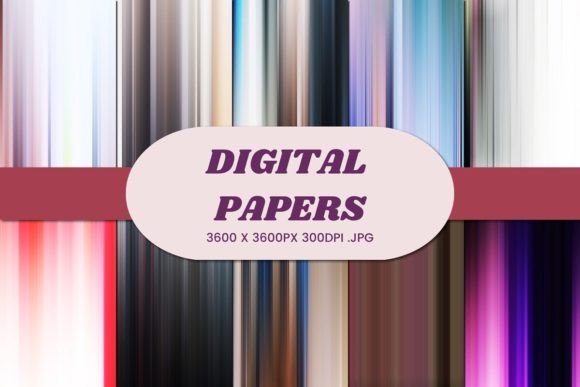
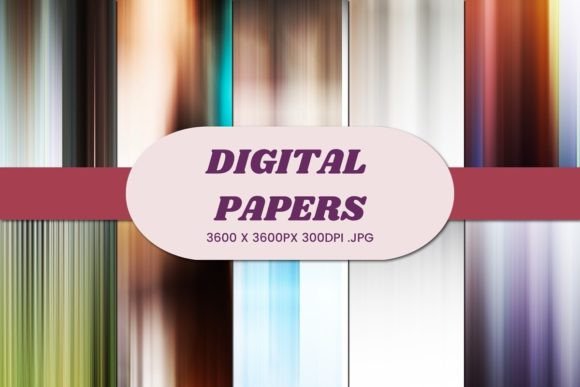
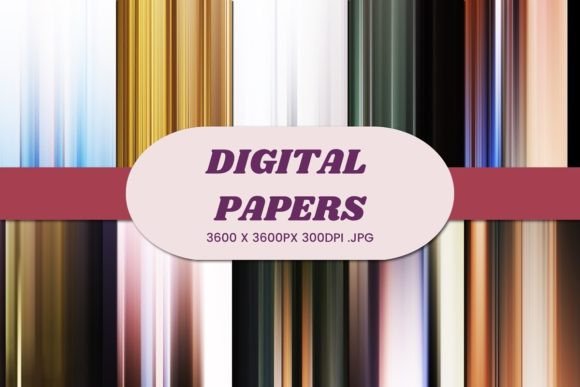
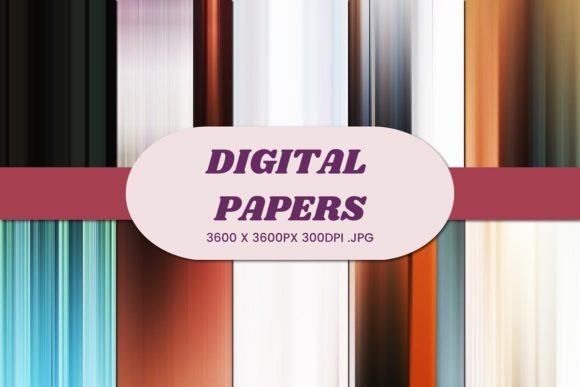
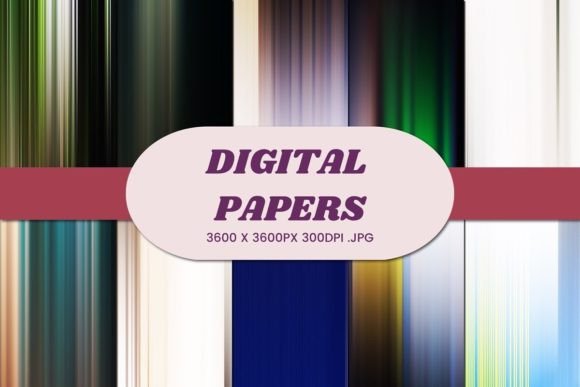
To make an informed decision about whether Abstract 188 fits your workflow, it is essential to first understand what is included in the package. The core offering consists of ten distinct JPG files, each rendered at a size of 3600x3600 pixels with a resolution of 300 DPI (dots per inch). These technical details are not merely marketing points; they are functional requirements that determine the usability of the file across different mediums.
The 300 DPI standard is widely considered the industry benchmark for print-on-demand (POD) services and professional printing. At this resolution, images remain crisp and free from pixelation when scaled down for smaller items like business cards or printed up for larger formats such as wall art or packaging. The square aspect ratio (3600x3600 px) offers flexibility, allowing designers to crop the image to any dimension without losing quality, which is particularly useful for social media profiles, square stickers, or book covers.
However, the format is strictly limited to JPG. While JPG is universally compatible and easy to use, it is a lossy compression format. For users who require transparent backgrounds or layered editing capabilities, these files will need to be processed through additional software to remove backgrounds or convert them into PSD (Photoshop) or PNG formats. This trade-off between ease of access and editability is a key factor to consider during evaluation.
Comparing Use Cases: From Sublimation to Social Media
The primary strength of Abstract 188 Background Digital Papers lies in its advertised versatility. The description suggests applicability across a vast array of projects, including t-shirts, stickers, mugs, pillows, blankets, book covers, phone cases, scrapbooks, craft projects, sublimation designs, logos, social media graphics, printables, invitations, business cards, product packaging, wallpapers, textures, 3D sublimation tumbler wraps, wedding cards, and 3D mug wraps. But does the asset truly perform well in all these scenarios?
Print-on-Demand and Physical Products
For entrepreneurs utilizing POD platforms, the high resolution of Abstract 188 is a significant advantage. When designing for items like tumblers or mugs, which often require curved or wrap-around designs, having a high-resolution base allows for precise mapping and distortion effects without introducing artifacts. The abstract nature of the background also means it can serve as a subtle texture behind text or logos, adding depth without overwhelming the central message. Similarly, for apparel like t-shirts and pillows, the vibrant potential of abstract patterns can create eye-catching visuals that stand out in crowded marketplaces.
Digital and Print Marketing Materials
In the realm of digital marketing, speed and compatibility are crucial. Because the files are JPGs, they load quickly on websites and integrate seamlessly into email campaigns or social media posts. The 3600-pixel width ensures that even when viewed on high-density Retina displays, the image retains sharpness. For physical marketing materials like business cards and invitations, the 300 DPI resolution meets the strict requirements of most local printers, reducing the risk of rejection due to low file quality.
Crafting and Scrapbooking
Hobbyists and crafters often seek digital papers to create custom layouts, greeting cards, or decorative elements. The abstract style of Abstract 188 offers a neutral yet artistic backdrop that complements various themes. Unlike busy photographic backgrounds, abstract textures provide visual interest without competing with photos or journaling entries in scrapbook pages. The ability to print these digitally allows crafters to produce one-off custom items without the expense of buying specialized physical paper stocks.
Evaluating Alternatives and Design Approaches
When considering Abstract 188, it is helpful to compare it against alternative methods of acquiring background assets. Understanding these differences helps clarify why a pre-made digital paper might be chosen over creating a design from scratch or using stock photography.
- Creating Custom Designs: Designing unique abstract backgrounds from scratch offers total creative control but requires significant time and skill in tools like Adobe Illustrator or Procreate. Abstract 188 serves as a shortcut, providing professional-grade aesthetics instantly. However, it lacks the uniqueness of a bespoke creation, which may be a drawback for brands seeking a highly distinctive identity.
- Stock Photography Libraries: General stock photo sites offer millions of images. However, many are copyrighted for commercial use only under expensive licenses, or they lack the specific "abstract" aesthetic needed for certain design styles. Abstract 188 appears to be tailored specifically for design integration, offering patterns that are easier to blend with typography than realistic photographs.
- Vector vs. Raster Assets: Many modern designers prefer vector backgrounds (SVG/EPS) because they can be scaled infinitely without quality loss. Abstract 188 uses raster (JPG) files. While 300 DPI is sufficient for most print needs, vectors are superior for large-format banners or signage viewed from close distances. If your project involves massive scaling beyond 3600 pixels, a vector alternative might be more appropriate.
- Transparent PNG Layers: Some digital assets come as layered PNGs with transparency, allowing for complex compositing. Since Abstract 188 consists of solid JPGs, users must rely on their own skills to mask or blend the backgrounds. This makes it less suitable for quick composite work but ideal for simple overlay applications.
Decision Factors: When to Choose Abstract 188
Selecting the right digital asset depends on balancing budget, time, and technical requirements. Abstract 188 Background Digital Papers presents a compelling case for specific user profiles.
Ideal Scenarios
This asset pack is an excellent choice for:
- Budget-Conscious Entrepreneurs: If you are starting a side hustle selling prints or merch, purchasing a bundle of ten high-res backgrounds is cost-effective compared to hiring a designer.
- Time-Sensitive Projects: For deadlines where creating original textures is not feasible, ready-made abstract papers provide an immediate solution.
- General Purpose Use: Users who need backgrounds for multiple disparate projects (e.g., a blog header, a wedding invite, and a t-shirt design) benefit from the neutral yet stylish nature of abstract art.
- Beginner Designers: Those less confident in color theory or composition can rely on the inherent balance of professionally designed abstract patterns.
Potential Limitations
Conversely, readers should consider alternatives if:
- Specific Branding is Required: If your brand colors are very specific and do not align with the palette of Abstract 188, the effort to recolor or replace the asset might outweigh the benefits.
- Vector Editing is Needed: If you plan to animate the background or scale it to billboard size, a vector-based solution is technically superior.
- Transparency is Critical: If your workflow relies heavily on layering opaque objects over semi-transparent backgrounds, the lack of alpha channels in JPG files adds an extra step to your process.
Conclusion
Abstract 188 Background Digital Papers represents a practical, high-resolution resource for a wide range of creative endeavors. Its strength lies in its adherence to print standards (300 DPI) and its broad applicability across both digital and physical mediums. While it lacks the editability of vector files or the transparency of PNG layers, its straightforward JPG format ensures compatibility with almost any design software.
For users evaluating options, the decision ultimately hinges on the specific demands of the project. If you need versatile, high-quality textures for merchandise, printables, and social media without the overhead of custom creation, Abstract 188 is a strong contender. However, those requiring infinite scalability or specific color matching may find better value in custom-designed or vector-based alternatives. By understanding these nuances, creators can select the tool that best supports their artistic and commercial goals.