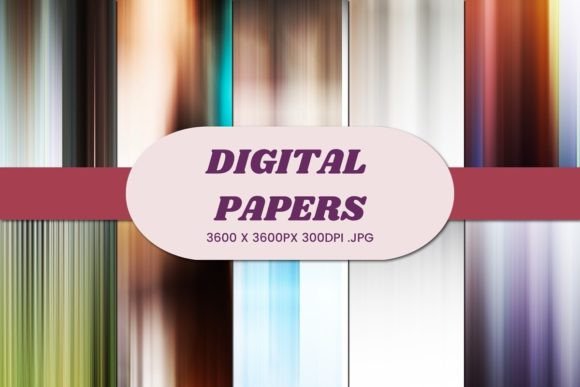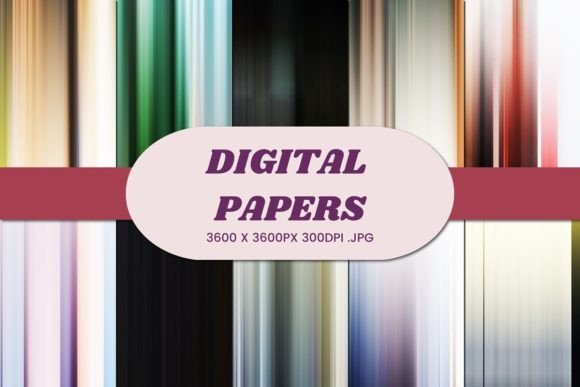
Abstract 211 Background Digital Papers: A Comprehensive Evaluation for Print and Digital Projects
In the rapidly evolving landscape of digital design and print-on-demand services, the quality and versatility of background assets play a critical role in the final output. Among the various resources available to designers, crafters, and small business owners, Abstract 211 Background Digital Papers has emerged as a notable option for those seeking high-resolution textures and patterns. This article provides an objective evaluation of this specific product line, analyzing its technical specifications, potential applications, and suitability for different creative workflows.
Understanding Abstract 211 Background Digital Papers
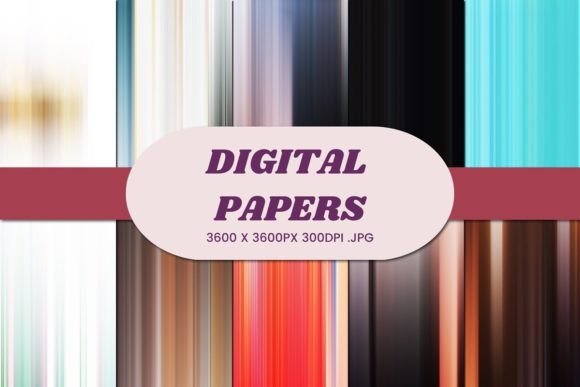
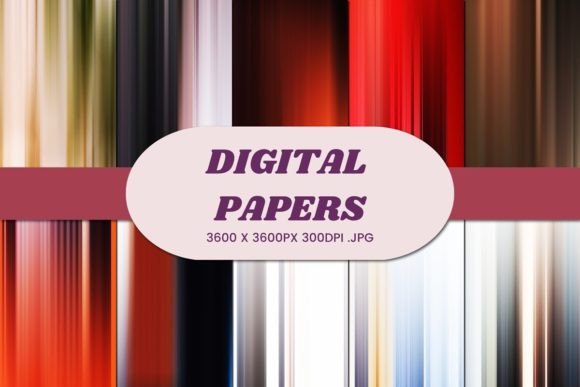
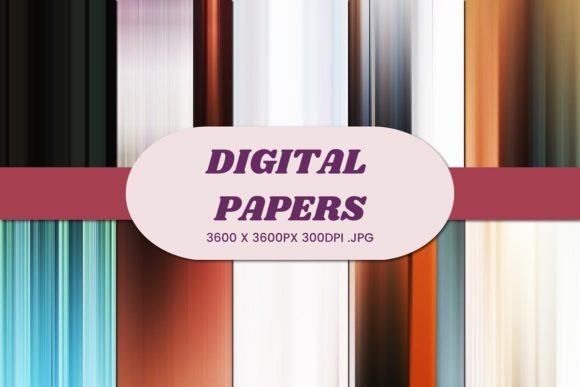
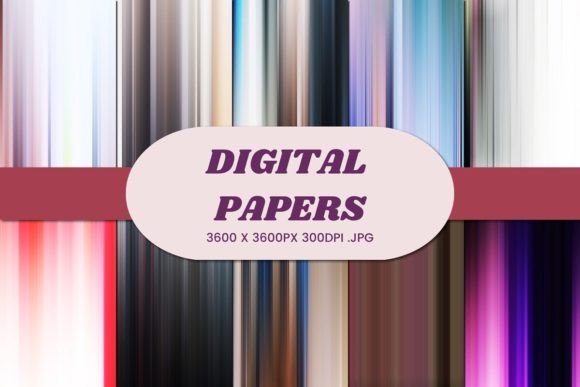
At its core, Abstract 211 is a collection of digital paper designs intended for immediate download and use. Unlike physical materials, these are digital files that replicate the look and feel of textured surfaces, abstract art, or patterned backgrounds. The product description highlights its broad utility, positioning it not just as a single image but as a foundational element for a wide array of projects. The primary value proposition lies in its resolution and format, which are tailored to meet professional printing standards.
The collection consists of ten distinct JPG files. Each file is sized at 3600x3600 pixels with a resolution of 300 DPI (dots per inch). These specifications are significant because they dictate the maximum size and clarity of the printed material. A 300 DPI resolution is generally considered the industry standard for high-quality printing, ensuring that images remain sharp and free from pixelation when reproduced on physical goods.
Technical Specifications and File Format
When evaluating digital assets, understanding the technical constraints is essential for avoiding costly errors during production. The Abstract 211 set offers several technical advantages:
- High Resolution: With dimensions of 3600x3600 pixels, these files allow for large-format prints without loss of detail. For context, a 3600-pixel width can support a print roughly 12 inches wide at 300 DPI, making it suitable for most standard merchandise.
- JPG Format: The use of JPEG files ensures compatibility with almost all design software, including Adobe Photoshop, Illustrator, Canva, and GIMP. However, users should note that JPG is a lossy compression format. While convenient for sharing and viewing, it does not support transparency, which may limit certain layering techniques in complex designs.
- Color Depth: As high-resolution digital papers, these files typically utilize CMYK or RGB color profiles depending on the source. Designers intending to use them for professional offset printing should verify the color profile to ensure accurate color reproduction, as screens display RGB while printers use CMYK.
Practical Applications and Use Cases
The versatility of Abstract 211 Background Digital Papers makes it a candidate for numerous creative endeavors. Its application extends beyond simple graphic design into tangible product creation. Below are key areas where this asset proves useful:
Print-on-Demand Merchandise
One of the most common uses for high-resolution digital papers is in the print-on-demand (POD) industry. Entrepreneurs often use these backgrounds as base layers for t-shirts, stickers, mugs, and phone cases. The abstract nature of the designs allows them to serve as subtle textures behind logos or typography, adding depth without overwhelming the main subject. For instance, using one of these papers as a backdrop for a minimalist logo on a t-shirt can create a premium, textured look that appeals to consumers.
Home Decor and Textiles
Pillows, blankets, and fabric prints require high-resolution files to prevent blurriness when scaled up. The 3600x3600 pixel dimension of Abstract 211 files is particularly advantageous here. Sublimation printing, a popular method for transferring designs onto polyester fabrics and hard surfaces like tumblers, benefits greatly from these high-quality inputs. The detailed texture captured in the 300 DPI files ensures that the final textile or ceramic product retains the intricate details of the original digital paper.
Stationery and Paper Goods
For those involved in event planning or stationery design, these backgrounds are ideal for invitations, wedding cards, business cards, and book covers. The abstract aesthetic lends itself well to modern, sophisticated themes. When used for business cards, the high resolution ensures that even small text overlays remain legible and crisp. Similarly, for scrapbooking and craft projects, these digital papers can be printed on cardstock or specialty paper to create unique, custom-made items.
Digital Media and Branding
Beyond physical products, Abstract 211 serves digital needs effectively. It can function as a wallpaper for websites, social media headers, or presentation backgrounds. The consistent square aspect ratio (3600x3600) makes it easy to crop and adapt for various screen sizes. Additionally, designers can incorporate these textures into 3D modeling projects, using them as bump maps or diffuse textures for rendering realistic surfaces.
Evaluating Benefits and Tradeoffs
While Abstract 211 Background Digital Papers offers clear advantages, a balanced evaluation requires considering potential limitations and tradeoffs.
Benefits
- Cost-Effectiveness: Purchasing a bundle of ten high-resolution files is often more economical than commissioning custom artwork or buying individual licenses for multiple designs.
- Time Efficiency: Ready-to-use files eliminate the need for time-consuming design processes, allowing creators to focus on layout and branding rather than texture creation.
- Professional Quality: The 300 DPI standard ensures that the output meets professional expectations, reducing the risk of customer complaints regarding print quality.
Considerations and Limitations
- Lack of Vector Formats: Since the files are provided only as JPGs, they cannot be scaled infinitely without quality loss. Users requiring vector graphics for large-scale billboards or signage might find these files limiting compared to EPS or AI formats.
- No Transparency: As mentioned, JPG files do not support alpha channels. If a designer needs to overlay the texture on top of another element with a transparent background, they would need to manually remove the background, which can be tedious and may degrade image quality.
- Generic Aesthetics: Abstract designs, by nature, are non-specific. While this allows for broad application, it may lack the unique character required for highly branded or niche projects. Users must ensure the abstract style aligns with their brand identity.
Who Should Consider Abstract 211?
This product is best suited for individuals who prioritize efficiency and standard print quality. It is an excellent fit for:
- Small Business Owners: Those running Etsy shops or POD businesses who need reliable, high-quality assets to populate their catalogs quickly.
- Hobbyist Crafters: Individuals engaged in home crafting, such as making personalized gifts or decorative items, who want professional-looking results without advanced design skills.
- Graphic Designers: Professionals looking for quick texture placeholders or base layers to enhance client projects.
Conversely, users who require fully editable vector files, transparent PNGs, or highly specialized, themed illustrations may find alternatives more suitable. In such cases, investing in vector-based asset libraries or commissioning custom work might yield better long-term results.
Conclusion
Abstract 211 Background Digital Papers represents a solid entry in the market for high-resolution digital textures. Its combination of 300 DPI resolution, generous file dimensions, and diverse application potential makes it a practical tool for both digital and print mediums. By understanding its technical capabilities and limitations, users can make informed decisions about whether this asset aligns with their specific creative goals. For those seeking versatile, high-quality backgrounds to elevate their merchandise, stationery, or digital content, Abstract 211 offers a compelling and efficient solution.