Elevate Your Visual Identity with Premium 3D Red Light Backgrounds
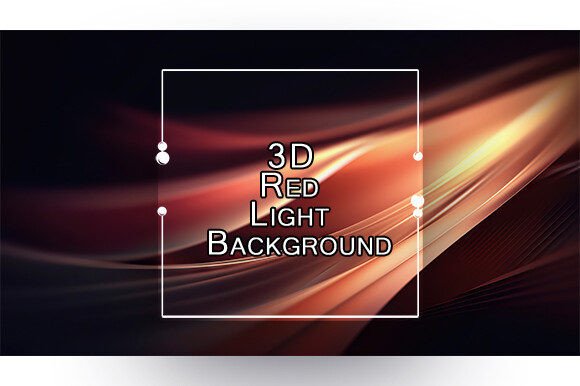
In the crowded landscape of digital and print media, first impressions are everything. Whether you are designing a high-stakes marketing campaign, crafting a personal brand for social media, or printing luxury packaging, the background sets the tone before the viewer even processes the primary subject. This is where the 3D Red Light Background transitions from a simple graphic element to a powerful strategic asset. Specifically, utilizing a high-fidelity asset like the 3D Abstract Dark Background with Red Light - 3733x2100 px - 300 DPI - JPEG format offers a distinct advantage in both aesthetic appeal and technical execution.
The intersection of abstract art and functional design has never been more critical. Modern consumers have short attention spans, and visual noise is at an all-time high. To cut through that noise, designers need backgrounds that provide depth, mood, and sophistication without overwhelming the content they support. A premium quality JPG file, rendered at 300 DPI, ensures that your vision remains crisp whether it is viewed on a retina-display smartphone or printed on a large-format poster.
The Psychology and Impact of Red in Design
Color is not merely decorative; it is psychological. Red is one of the most potent colors in the spectrum, associated with energy, passion, urgency, and power. However, using solid red can be aggressive and fatiguing to the eye. This is why the 3D Red Light Background variant is so effective. By integrating light into the color itself, the design gains luminosity and dimensionality.
When paired with dark tones, as seen in this specific abstract composition, the red light creates a dramatic contrast. It draws the eye inward, creating a focal point that feels intimate yet commanding. This duality makes it ideal for brands that want to appear bold and innovative but also refined and exclusive. Think of high-end automotive advertising, tech startups launching revolutionary products, or luxury fashion lines. The glow suggests innovation and future-forward thinking, while the darkness implies mystery and sophistication.
Technical Superiority: Why Resolution Matters
You might wonder why the specifications of your image file matter so much. After all, isn't a picture just a picture? In professional design, the answer is a resounding no. The specification 3733x2100 px - 300 DPI - JPEG format tells a story of quality that low-resolution alternatives simply cannot match.
- 300 DPI (Dots Per Inch): This is the gold standard for print. If you plan to use your design on business cards, postcards, or wall art, a lower resolution will result in pixelation and blurriness when scaled up. A 300 DPI file ensures that every gradient and light flare remains sharp and clear, preserving the premium feel of your brand.
- 3733x2100 Pixels: This aspect ratio and resolution provide ample space for cropping and resizing. Whether you need a wide banner for a website header or a square crop for Instagram, starting with a high-pixel count gives you the flexibility to adapt your design across multiple platforms without losing detail.
- JPEG Format: While PNG is often preferred for transparency, JPEG is universally compatible and efficient for complex photographic gradients. For a background intended to sit behind text or other graphics, the slight compression of JPEG is negligible compared to its widespread usability in web and print workflows.
Versatility Across Media Formats
One of the greatest advantages of investing in a versatile, high-quality 3D Red Light Background is its ability to transcend mediums. A single asset can serve multiple purposes in your marketing ecosystem, ensuring consistency in your brand identity.
Digital Applications
In the digital realm, this background excels as a hero image for websites. Imagine a landing page for a new software product or a creative agency portfolio. The abstract nature of the dark background with red lighting allows white or brightly colored text to pop, ensuring readability while maintaining a sleek, modern aesthetic. It works exceptionally well for social media branding, particularly on platforms like LinkedIn or Instagram, where visual impact drives engagement.
Furthermore, it serves as an excellent backdrop for video thumbnails or podcast cover art. The dynamic interplay of light and shadow adds movement to static images, making them more clickable in a feed full of static content.
Print and Physical Products
The true test of a background’s quality is how it holds up in print. Because this file is 300 DPI, it is perfectly suited for physical applications. Consider using it for:
- Packaging: High-end cosmetic boxes, electronics packaging, or limited-edition beverage cans benefit from the luxurious feel of a deep, glowing background.
- Stationery: Business cards and invitations gain an air of exclusivity when printed on matte or glossy stock with this rich background. The red light effect can look particularly stunning when printed with spot UV coating, which highlights the illuminated areas.
- Wall Art and Posters: For interior design enthusiasts or corporate offices looking to make a statement, this abstract piece works as standalone art. Its non-representational nature allows it to fit into various decor styles, from minimalist industrial to modern eclectic.
- Notebooks and Merchandise: Custom notebooks, phone cases, and tote bags can leverage this design to create merchandise that feels less like promotional swag and more like a desirable lifestyle product.
Strategic Implementation Tips
To get the most out of your 3D Red Light Background, consider how you layer your content. The success of this design lies in balance. Because the background contains significant visual interest due to the light effects, your foreground elements should be clean and uncluttered.
If you are designing a website, ensure there is sufficient contrast between your text and the background. Using semi-transparent overlays or drop shadows on text can help separate it from the glowing elements of the background, improving accessibility and readability. For print materials, leave adequate "bleed" area if you are sending the file to a professional printer, though the 3733x2100 px resolution provides plenty of room for safe zones.
Another consideration is color harmony. The red tones in this background are likely warm. When choosing accent colors for your logos or buttons, stick to complementary palettes such as cool blues, crisp whites, or metallic golds/silvers. These combinations reinforce the high-tech, premium vibe of the abstract light effects.
Why Choose Premium Over Free Alternatives?
In an era where free stock photos are abundant, it is tempting to opt for the lowest cost solution. However, the difference between a generic free image and a premium, high-resolution asset like this 3D Abstract Dark Background is night and day. Free assets often suffer from overuse, meaning your brand may look similar to competitors. They also frequently lack the technical specifications required for professional print, leading to frustrated designers and subpar final products.
A premium file guarantees uniqueness and technical reliability. It signals to your audience that you pay attention to detail. In a world where perception is reality, the subtle cues of high-quality design—sharp edges, rich colors, and proper resolution—communicate professionalism and trustworthiness before a customer reads a single word of your copy.
Conclusion
Investing in a high-quality 3D Red Light Background is an investment in your brand’s visual authority. With its 300 DPI resolution, 3733x2100 px dimensions, and striking abstract composition, this asset offers unparalleled versatility. From enhancing digital user experiences to elevating physical print products, it provides the depth and drama needed to capture attention in a saturated market. By leveraging the psychological power of red light against dark tones, you create a memorable visual identity that resonates with audiences and stands the test of time.