Light Empty Wall: The Strategic Foundation for High-Impact Visual Design
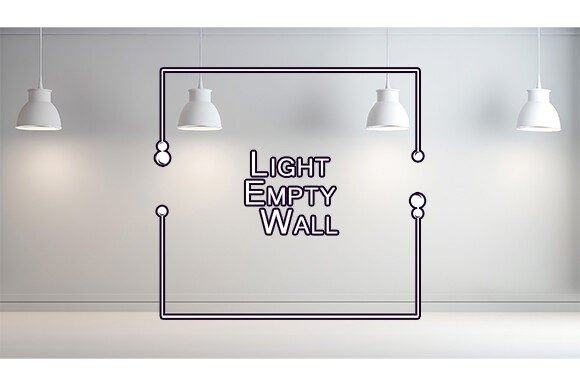
In the landscape of digital asset management and visual communication, the background is often treated as an afterthought. However, for professionals who understand the nuances of design hierarchy, the foundation of an image dictates its versatility. The Light Empty Wall (specifically the variant with light lamps) at 3675x2100 pixels and 300 DPI is not merely a placeholder; it is a strategic tool designed to streamline workflows across branding, marketing, and creative production. By providing a clean, high-resolution canvas that mimics natural lighting conditions, this asset allows designers and marketers to focus on the foreground elements without fighting against complex textures or distracting shadows.
This article explores how integrating a premium quality JPEG background into your design pipeline can enhance efficiency, maintain consistency, and elevate the perceived value of your final output. Whether you are preparing social media content, designing product packaging, or creating educational materials, understanding the technical and aesthetic implications of using a "light empty wall" context is essential for modern workflow optimization.
Technical Specifications and Workflow Compatibility
Before diving into application, it is crucial to understand why the specific technical attributes of this asset matter in a professional setting. The resolution of 3675x2100 pixels combined with a density of 300 DPI ensures that the image is print-ready. In many design workflows, assets are scaled down for web use but must retain their integrity for physical production. A standard web image might suffice for a blog post, but it will fail when sent to a commercial printer for brochures or posters.
- High Resolution (300 DPI): This standard is non-negotiable for print materials such as business cards, postcards, and packaging. Using a lower-resolution asset here results in pixelation, which undermines brand credibility.
- Aspect Ratio (3675x2100): This widescreen format offers flexibility. It can be cropped for Instagram stories, expanded for desktop website headers, or used as-is for presentation slides. The extra horizontal space provides room for text overlays without crowding the central subject.
- JPEG Format: While PNG is often preferred for transparency, JPEG is universally compatible across all operating systems, design software (Adobe Creative Cloud, Canva, Figma), and CMS platforms. Its smaller file size compared to uncompressed formats facilitates faster loading times for websites and easier email attachments for client reviews.
By starting with a high-fidelity source file, you eliminate the need for upscaling algorithms, which often introduce artifacts. This preserves the "premium quality" mentioned in the asset description, ensuring that every iteration of your project, from draft to final delivery, maintains visual integrity.
Strategic Use Cases Across Industries
The utility of a Light Empty Wall extends far beyond simple photography backdrops. Its neutral yet warm aesthetic makes it a chameleon-like element in various professional contexts. Below are specific scenarios where this asset integrates seamlessly into existing processes.
Digital Marketing and Social Media Branding
For marketers managing multiple channels, consistency is key. The uniform lighting and texture of the Light Empty Wall provide a consistent visual anchor. When creating a series of posts—such as testimonials, quotes, or product highlights—using the same background creates a cohesive feed. This reduces cognitive load for the audience, making your brand recognizable even before they read the handle.
Furthermore, the presence of light lamps adds depth without distraction. Unlike a stark white wall, which can feel clinical, the subtle illumination from lamps creates a welcoming atmosphere. This psychological cue is particularly effective for lifestyle brands, wellness coaches, and educators who aim to build trust and rapport with their audience.
E-commerce and Product Packaging
In e-commerce, the environment surrounding a product influences purchasing decisions. A product shot against a busy background competes for attention. By placing items against a Light Empty Wall, you direct the viewer’s eye solely to the product features. For packaging design, this asset serves as an excellent mockup base. Designers can overlay their label designs onto the wall surface to visualize how the final package will look in a retail setting or unboxing scenario.
When designing notebooks or journals, the texture of the wall can be subtly integrated into the cover design, suggesting durability and elegance. The high DPI ensures that fine details in typography and logo placement remain sharp, which is critical for small-scale printing like business cards or invitation suites.
Education and Content Creation
Educators and bloggers often struggle with maintaining professionalism while keeping content engaging. The Light Empty Wall offers a solution for video thumbnails, slide decks, and infographic backgrounds. It provides a clean slate that allows complex data or dense text to stand out clearly. For instance, a teacher creating a PowerPoint presentation can use this background to ensure that charts and graphs are legible on both projector screens and student tablets.
In the realm of freelancing, presenting proposals becomes more impactful when the document design is polished. Using this background for proposal covers or portfolio layouts signals attention to detail. It suggests that the freelancer understands the importance of aesthetics in communication, thereby justifying higher rates and building client confidence.
Integration into Design Workflows
Implementing this asset effectively requires more than just dragging and dropping it into a design tool. It involves a thoughtful approach to layering, lighting, and composition. Here is how to integrate the Light Empty Wall into your creative process for maximum impact.
Preparation and Asset Management
Start by organizing your digital workspace. Save the 300 DPI JPEG in a dedicated "Backgrounds" or "Assets" folder within your project directory. Naming conventions should be clear (e.g., bg_light_wall_300dpi.jpg) to ensure quick retrieval during fast-paced production cycles. If you are collaborating with a team, ensure that everyone has access to the original high-resolution file to prevent version control issues where someone accidentally uses a compressed web version.
Layering and Depth
One of the most common mistakes in using background images is treating them as flat surfaces. To create a realistic scene, utilize the "light lamps" aspect of the asset. If you are compositing a product or person into this scene, pay attention to the direction of the light. The lamps in the background suggest a specific light source angle. Your foreground elements should reflect similar lighting characteristics—shadows and highlights should align with the ambient glow of the wall.
Use adjustment layers in your editing software to match the color temperature of your subject to the warm tones of the wall. This subtle blending technique prevents the foreground from looking "pasted on," resulting in a seamless, professional composite.
Typography and Hierarchy
When adding text, consider the negative space provided by the "empty" nature of the wall. Avoid placing critical information over areas with strong shadows or lamp fixtures. Instead, use the open, light-colored sections of the wall for headlines and calls to action. The contrast between the dark text and the light wall ensures readability, which is a fundamental principle of good design.
For social media graphics, experiment with font weights. Bold sans-serif fonts work well against the soft texture of the wall, creating a modern, minimalist look. For invitations or formal documents, serif fonts can evoke a sense of tradition and elegance, complementing the classic appeal of a lit interior wall.
Quality Control and Long-Term Value
Investing in premium assets like the Light Empty Wall is a long-term strategy for quality control. Low-quality backgrounds often reveal their origins quickly through compression artifacts or unnatural gradients. Over time, audiences become desensitized to these flaws, but they also lose trust in the brand’s attention to detail. By consistently using high-DPI, professionally lit backgrounds, you establish a standard of excellence.
Moreover, this asset supports scalability. As your business grows, so does your volume of content. Having a reliable library of versatile backgrounds reduces the time spent sourcing new images for every single project. You can rotate between different angles or lighting variations of the same wall concept to keep visuals fresh without sacrificing consistency.
Consider the environmental aspect of digital waste. Creating unique, custom-generated backgrounds for every minor task consumes computational resources and time. Utilizing reusable, high-quality stock assets like this one promotes efficiency. It allows you to allocate more time to strategy, copywriting, and customer engagement rather than spending hours tweaking irrelevant background details.
Conclusion
The Light Empty Wall with Light Lamps is more than just a pretty picture; it is a functional component of a robust design ecosystem. Its technical specifications support both digital and print mediums, while its aesthetic qualities enhance the focus on foreground subjects. By integrating this asset into your workflows—from social media planning to product packaging—you streamline your creative process and elevate the professional quality of your output.
Whether you are a solo entrepreneur crafting your first brand identity or a marketing director overseeing a large campaign, paying attention to the foundations of your visuals pays dividends. Start by testing this asset in your next project. Observe how the clean lines and soft lighting interact with your content. You may find that the right background doesn't just fill space; it clarifies your message and strengthens your brand’s presence in a crowded digital landscape.