3D Light Wall: Elevating Visual Design
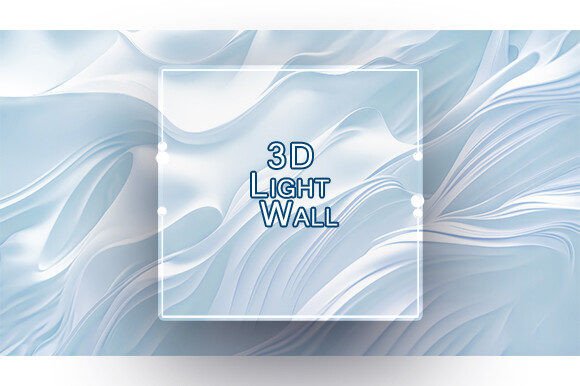
In an era where digital attention is the most scarce resource, visual impact is no longer optional—it is essential. Whether you are crafting a brand identity for a startup, designing a high-end event backdrop, or simply looking to add depth to your social media content, the right background can make or break the user experience. Enter the 3D Light Wall, a sophisticated design asset that combines geometric precision with ethereal lighting effects to create a sense of depth and modernity.
This specific asset, rendered in a stunning 3733x2100 px resolution at 300 DPI in JPEG format, offers more than just aesthetic appeal. It provides a versatile foundation for creative projects across multiple mediums. From corporate presentations to artistic packaging, understanding how to leverage this resource effectively can elevate your work from standard to exceptional.
Understanding the Aesthetic: Depth and Clarity
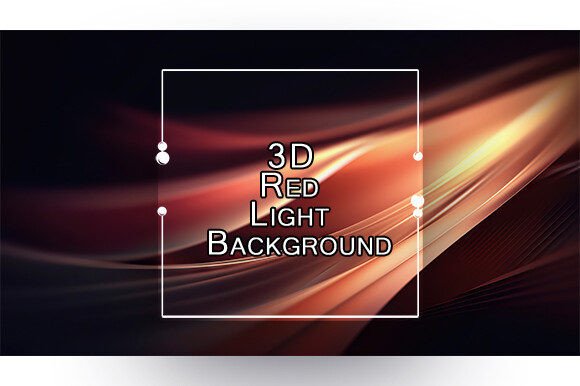
What makes a 3D light wall compelling is its ability to simulate physical space without the clutter of a realistic environment. The abstract waves pattern introduces movement and fluidity, suggesting energy and innovation, while the structured "wall" element provides stability and order. This balance is crucial for professional designs. Too much chaos confuses the viewer; too much rigidity feels static. The interplay of light and shadow in this high-resolution image creates a focal point that draws the eye inward, making it an ideal canvas for overlaying text, logos, or product imagery.
The 300 DPI specification ensures that every pixel is crisp, whether viewed on a large-scale monitor or printed on premium cardstock. For designers, this means you can zoom in without fear of pixelation, allowing for precise adjustments in layout and typography. The JPEG format offers broad compatibility, ensuring that your files open seamlessly across different software platforms, from Adobe Creative Cloud suites to basic web editors.
Strategic Applications for Brands and Businesses
For entrepreneurs and small business owners, first impressions are everything. A well-designed visual presence communicates professionalism before a single word is read. Here is how you can integrate this 3D light wall into key business assets:
- Business Cards and Stationery: Use the darker areas of the wave pattern as a background for white or metallic foil text. The contrast will make contact details pop, ensuring they are legible and memorable. The abstract nature of the design avoids distracting from the essential information.
- Website Headers and Banners: With a width of 3733 pixels, this image is perfectly suited for wide-format website headers. It provides a dynamic yet non-intrusive backdrop for hero sections. Pair it with clean, sans-serif typography to maintain a modern tech-forward look.
- Social Media Branding: Consistency builds recognition. Use variations of this background for Instagram story highlights, LinkedIn cover photos, or YouTube channel art. The abstract waves allow for easy color grading or filtering to match your specific brand palette without losing the structural integrity of the image.
- Event Invitations and Postcards: For galas, conferences, or product launches, this background conveys sophistication. The light gradients suggest illumination and revelation, fitting themes of innovation, launch events, or award ceremonies.
Creative Directions for Designers and Artists
If you are a graphic designer, photographer, or digital artist, this asset serves as a powerful starting point rather than a finished product. The true value lies in how you manipulate it. Consider these approaches to make the design uniquely yours:
- Layering and Texture: Overlay subtle textures, such as noise, grain, or brushed metal effects, to give the smooth 3D render a tactile quality. This adds realism and prevents the image from looking too "digital" or sterile.
- Color Grading: While the original file may have a neutral or cool tone, adjusting the hue and saturation can completely change the mood. Warm tones (oranges, golds) evoke creativity and warmth, while cool tones (blues, silvers) suggest trust and technology. Experiment with gradient overlays to blend the light wall with your brand colors.
- Typography Integration: Treat the text as part of the 3D space. Add drop shadows, bevels, or glow effects to your headlines to make them appear as if they are floating within the light wall. This technique reinforces the theme of depth and dimensionality.
- Minimalist Approach: Sometimes less is more. Leave significant negative space in the composition and place a single, bold statement or logo in the center. The surrounding light waves will frame the message naturally, guiding the viewer’s focus directly to the core content.
Technical Best Practices for Implementation
To ensure your final output matches the premium quality of the source file, adhere to these practical guidelines:
Maintain Resolution Integrity: Always work with the original 3733x2100 px file. If you need to resize for smaller formats like mobile screens, scale down proportionally. Never upscale, as this will introduce artifacts and reduce clarity. When printing, ensure your document settings are set to CMYK color mode and 300 DPI to avoid color shifts or blurriness.
Optimize for Web vs. Print: For web use, compress the JPEG appropriately to balance quality with load speed. Tools like TinyPNG or ImageOptim can reduce file size without noticeable loss in quality. For print materials, keep the file uncompressed or use high-quality export settings to preserve the fine details of the light reflections.
Accessibility Considerations: If using this background for text-heavy content, ensure sufficient contrast. The luminous parts of the wall may wash out light-colored text. Use dark text on bright areas or apply a semi-transparent overlay behind text blocks to enhance readability. This not only improves aesthetics but also adheres to accessibility standards, making your content inclusive for all users.
Expanding Your Creative Toolkit
Integrating a 3D light wall into your workflow is about more than just using one image; it is about adopting a mindset of dimensional thinking. By incorporating elements of depth, light, and abstraction, you move beyond flat design and create experiences that engage viewers on a subconscious level. Whether you are creating educational materials, marketing campaigns, or personal art projects, the versatility of this asset allows you to adapt quickly to different contexts.
Remember that inspiration often comes from experimentation. Do not hesitate to crop, rotate, or combine this asset with other elements. The abstract waves provide a flexible structure that can support a wide range of narratives. As you explore new applications, keep your audience in mind. What emotion do you want to evoke? What message do you want to convey? Let the qualities of the 3D light wall—clarity, depth, and modern elegance—guide your creative decisions.
By leveraging high-quality resources like this 300 DPI JPEG, you demonstrate a commitment to excellence. In a crowded digital landscape, those who pay attention to detail stand out. Use this tool to build stronger brands, clearer communications, and more captivating visual stories. The possibilities are limited only by your imagination and your willingness to experiment with light and form.